
Myth check / emergency improvisation
39 Survival Hacks
Some solve a real problem. Some only work in narrow conditions. Some create a new emergency. Here is how to tell the difference.
Three verdicts
Practical when done with ordinary precautions.
Can work, but only with important constraints.
Unreliable, unsafe, or worse than standard guidance.
Improvisation matters, but a clever-looking shortcut is not automatically a survival skill. Before copying a hack, ask four questions: does it work, what can fail, what could it damage, and is there a safer standard option?
Open flames, fuels, batteries, solvents, frostbite, wounds, fractures, and smoke exposure can cause severe harm. Use established safety guidance and professional care whenever available.
Claims 01–10
Fire, Light, and Exposure
Petroleum-jelly cotton tinder
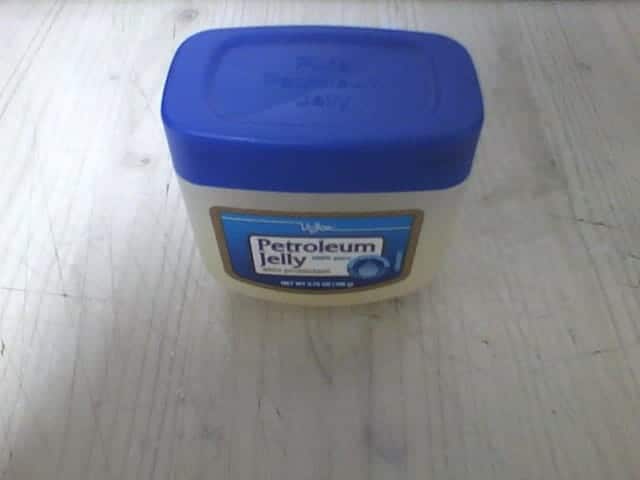
Worked into cotton, petroleum jelly can extend burn time. Ignite it outdoors on a nonflammable surface and store it separately from ignition sources.
Duct tape for jar grip
A dry loop of tape can add leverage to a stubborn lid. Hot water on the lid or a rubber grip is simpler when available.
Can as a light reflector
A clean, carefully cut aluminum surface can redirect flashlight light. Cover sharp edges and keep reflective metal away from flame and electricity.
Baby oil for frostbite
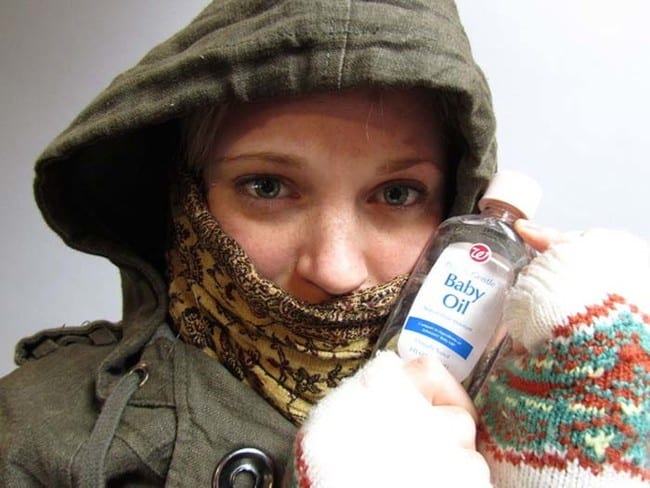
Oil does not prevent frostbite. Cover skin, stay dry, add wind protection, warm gradually, and seek care for numb, waxy, or discolored skin.
Grass inside a flat tire
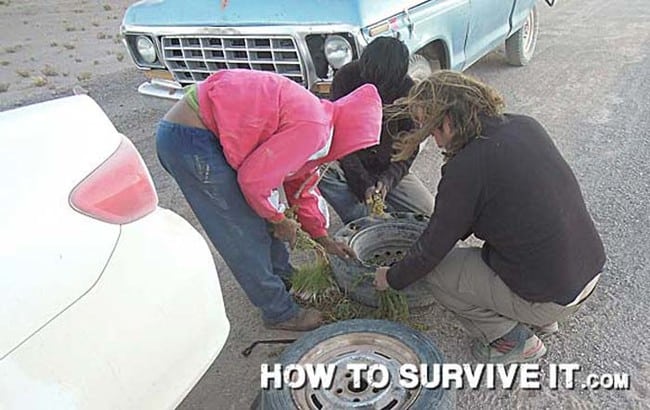
Stuffing a tire can destroy the wheel and handling. Move off the roadway, use a spare or approved repair kit, or call roadside assistance.
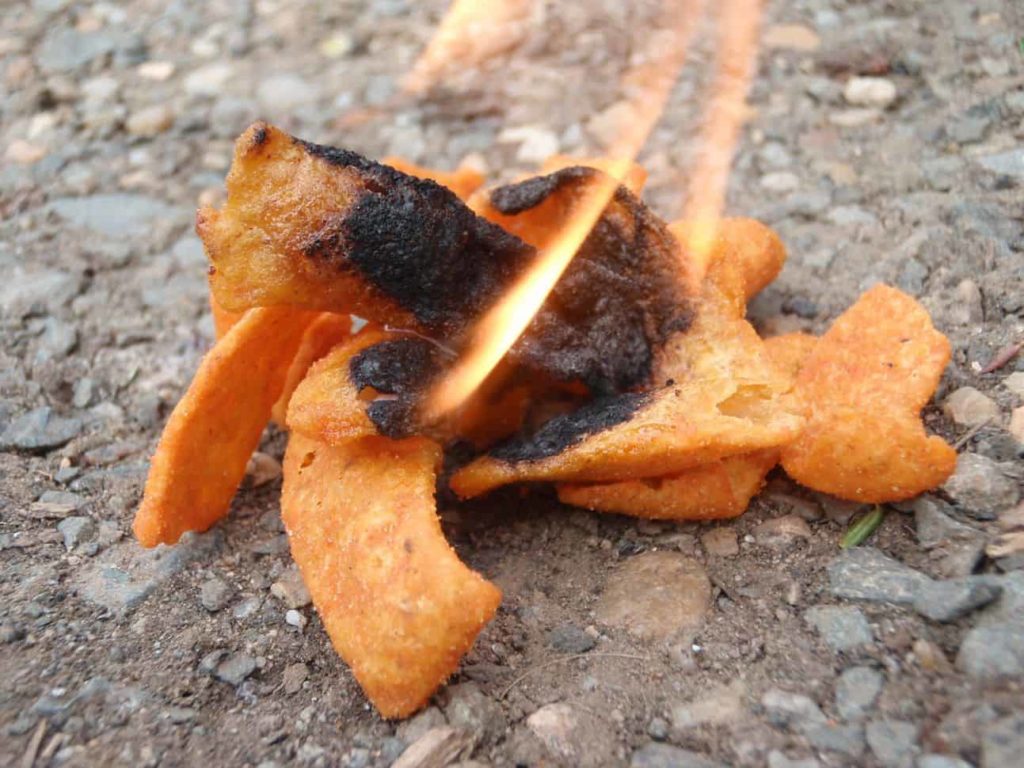
Chips as tinder
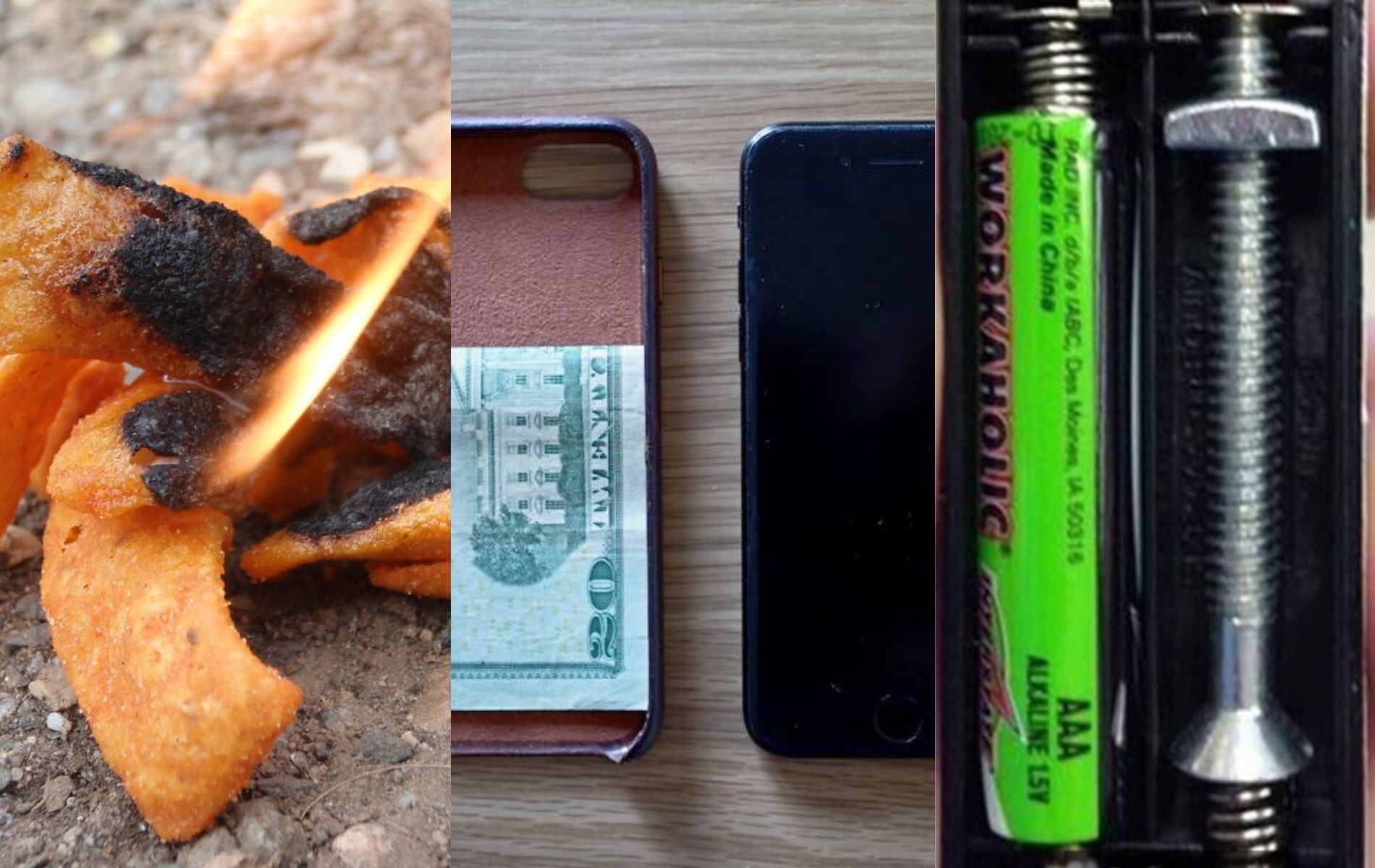
Dry, oily chips can burn, but food packaging and crumbs are poor substitutes for prepared tinder. Follow fire restrictions and fully extinguish the fire.
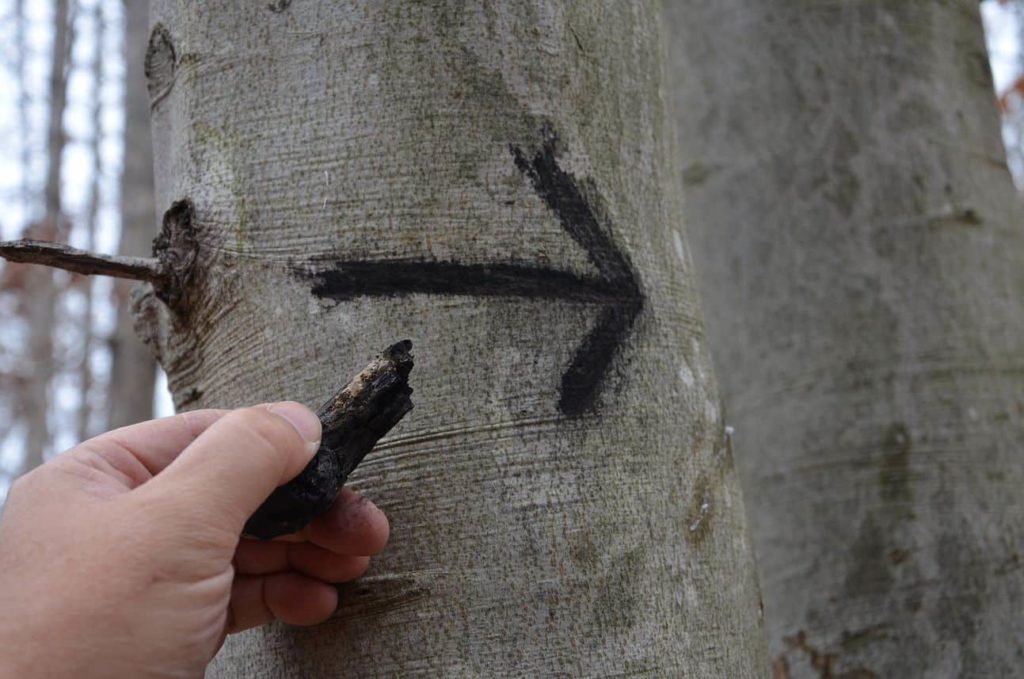
Charcoal trail marks
Marks can wash off, damage surfaces, or confuse others. Prefer map-and-compass navigation and reversible markers; never mark living trees or protected property.
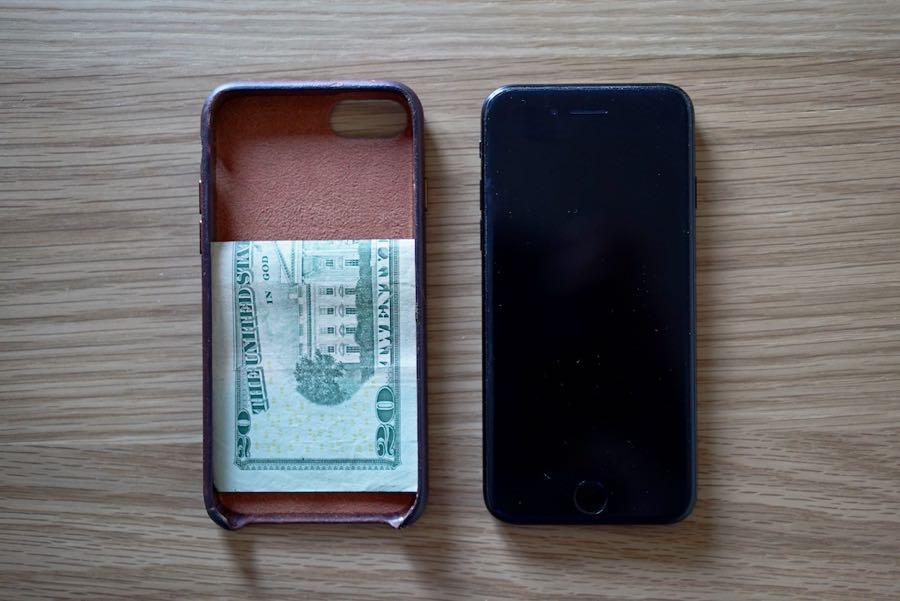
Small emergency cash reserve
Carry modest cash in mixed denominations in a separate, secure place. A phone case is obvious to thieves and may expose the money when the phone is lost.
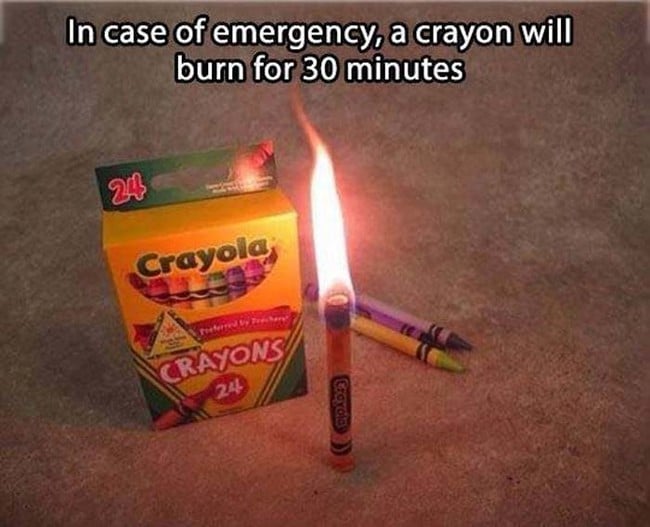
Crayon candle
A crayon is unstable, smoky, and easy to knock over. Use an LED light or purpose-made candle in a stable lantern instead.
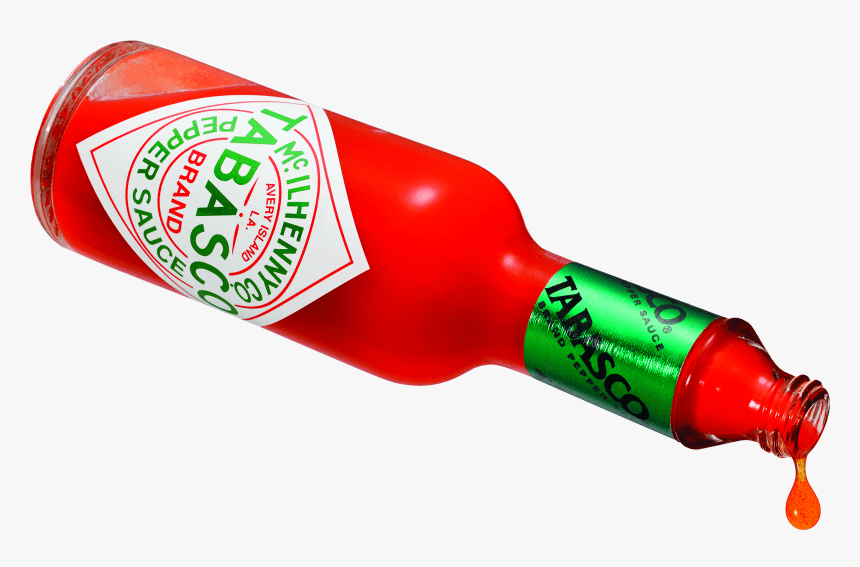
Hot sauce as mosquito repellent
Capsaicin can burn skin and eyes and is not a reliable repellent. Use an EPA-registered repellent, clothing coverage, and netting.
Claims 11–20
Power, Light, and Improvised Tools
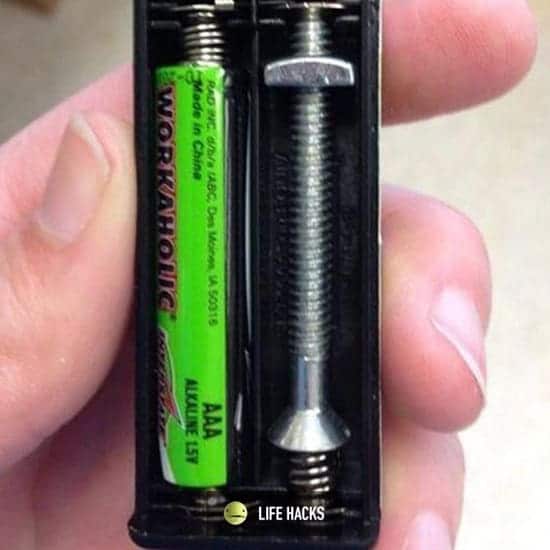
Foil or metal battery spacer
Loose metal can short a cell, overheat, leak, or start a fire. Use the exact battery size specified by the manufacturer.
Duct tape on a heel
Tape can reduce friction on intact skin if applied before a hot spot forms. Clean and dry the area first; use proper blister dressings on broken skin.
Battery-and-foil fire starter
Shorting a battery can produce burns, fire, leakage, or explosion. Carry a lighter and protected matches instead.
Tarp raft
A folded tarp is not a dependable flotation device. Do not enter moving, cold, or deep water without a rated boat and personal flotation device.
Saltwater wound rinse
Homemade saltwater is not sterile and strong mixtures damage tissue. Use clean potable water or commercial sterile saline and seek care for serious wounds.
Floss as fishing line
Unwaxed floss can serve for very light emergency fishing or repairs, but strength and abrasion resistance vary. Follow fishing regulations.
Scissors turned into a hook
Damaging scissors creates sharp debris and removes a more versatile tool. Pack real hooks if fishing is part of the plan.
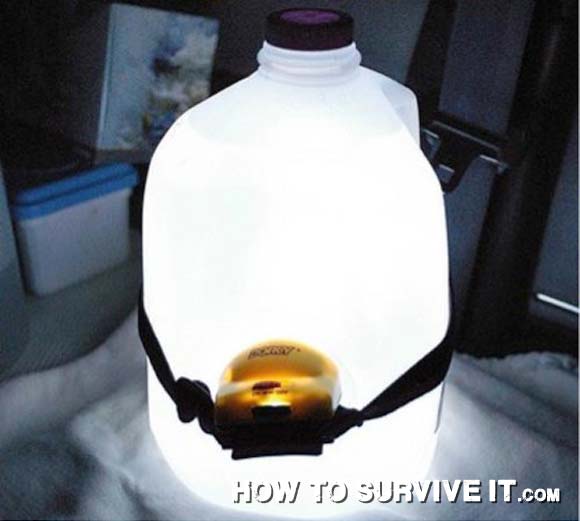
Headlamp and translucent jug
Point an LED headlamp into a clean translucent water jug to diffuse light. Keep electronics dry; never combine a plastic jug with flame.
Metal replacing a missing battery
A conductor cannot safely replace a cell and may short the circuit. Use the correct number and type of batteries.
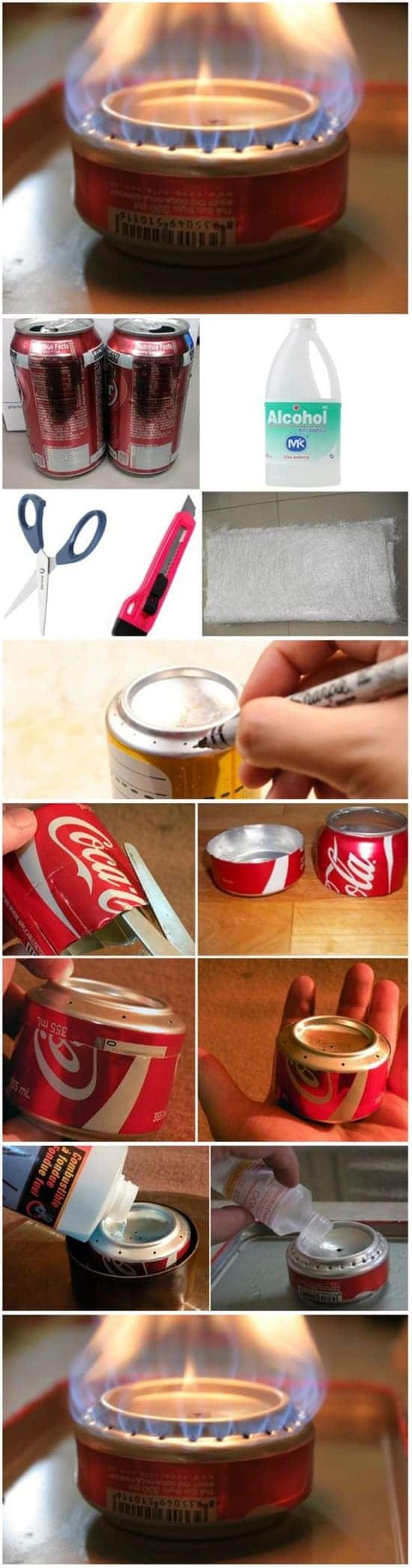
Improvised alcohol can stove
Invisible flames, spills, carbon monoxide, and pressure make this a poor emergency shortcut. Use a tested commercial stove outdoors with its specified fuel.
Claims 21–30
Health, Clothing, and Readiness
Toothpaste on insect bites
Flavorings and detergents can irritate skin. Wash the area, use a cold compress, and choose an appropriate anti-itch treatment.
Lip balm on cuts
A used tube may contaminate a wound, and cosmetic balm is not wound care. Rinse, control bleeding, and cover with a clean dressing.
Clothing pellets as fire starter
Unknown synthetic fibers can melt and produce toxic smoke. Use dry natural tinder or a purpose-made fire starter.
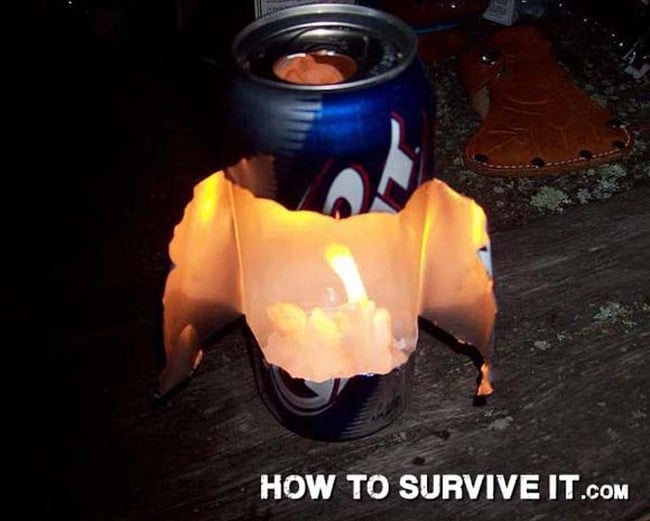
Alternative can stove
Cut metal and open flame create burn, spill, and carbon-monoxide hazards. Never use improvised combustion devices in tents, vehicles, or rooms.
Water bottle fire lens
It can focus sunlight under unusual conditions, but the method is slow and can start unintended fires. Carry reliable ignition and obey fire restrictions.
Walking shoes in the car
Keep season-appropriate shoes, socks, and reflective gear in the vehicle. Rotate them as conditions and sizes change.
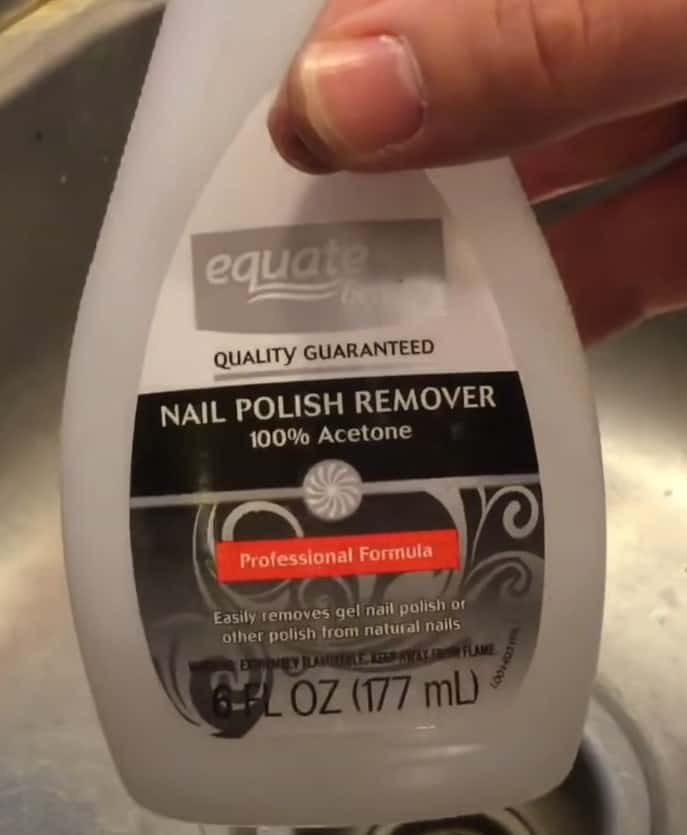
Acetone for super glue
Acetone may loosen cyanoacrylate on intact skin but can irritate skin and damage plastics or finishes. Ventilate, avoid eyes and wounds, and never pull bonded skin apart.
Waxing shoes
A compatible wax can improve water resistance, not make every shoe waterproof. Test a hidden spot and follow the footwear maker’s care instructions.
Carry an emergency information card
List medical needs, allergies, emergency contacts, and essential instructions. Keep it current and protect sensitive details you do not need responders to see.
Battery bounce test
Some depleted alkaline cells bounce more, but the test is inconsistent and says little about remaining capacity. Use a tester or multimeter.
Claims 31–39
Everyday Resilience
Improvised sink extension
A clean, food-safe flexible cutting mat can guide tap water into a large container. Keep the path clean and never use material previously exposed to chemicals.
Weather-ready clothing
Choose layers that manage rain, wind, and sweat, and carry dry socks. “Water resistant” has limits; insulation and ventilation still matter.
Dry spaghetti as a long match
It may transfer a flame briefly but breaks and drops embers. Use a long lighter or fireplace match and keep sleeves and hair clear.
A special character as password security
One unusual character does not make a password safe. Use a password manager, long unique passwords, and multifactor authentication.
Can opener for blister packaging
It may cut some edges but can slip or create sharp plastic. Heavy scissors or a package opener is safer.
Hide valuables on vacation
In-room hiding places are not real security. Carry less, use a hotel safe appropriately, lock luggage, and keep backups separate.
T-shirt arm sling
A shirt can support an injured arm temporarily without forcing it straight. Check circulation, avoid food or drink before possible surgery, and seek urgent medical evaluation.
Stay low under smoke
If you must move through smoke to escape, stay low where visibility and air may be better, feel doors for heat, close doors behind you, get outside, and call emergency services. Never re-enter.
Avoid blue to avoid mosquitoes
Color alone is not reliable protection. Use registered repellent, long loose clothing, screens, and removal of standing water.
The better survival hack
Replace Cleverness With Redundancy
Carry the right tool
A lighter, headlamp, spare batteries, first-aid kit, tire equipment, water treatment, and weather layers outperform fragile improvisations.
Practice without urgency
Test equipment in controlled conditions. Do not make your first attempt during an evacuation, injury, or wildfire warning.
Know the failure mode
If a shortcut can burn, poison, strand, shock, or further injure you, the risk is part of the decision—not a footnote.