
Improvisation manual / everyday carry
19 Survival Uses for Paper Clips
A pocket-size piece of wire can repair, mark, fasten, clear, hang, and improvise—if you know its limits.
Before you bend one
Useful—not indestructible
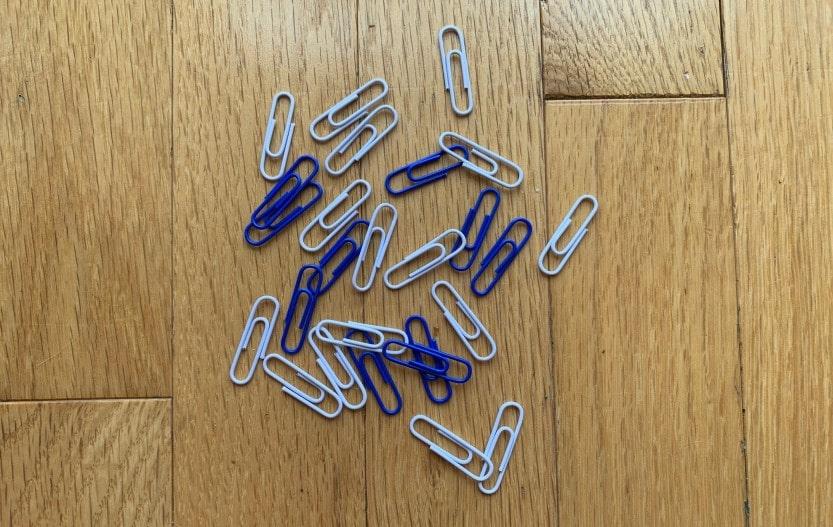
Paper clips are soft, thin wire. They work best for light-duty repairs, probes, markers, and temporary fasteners. They can snap, spring back, puncture skin, scratch surfaces, or short electronics. Wear eye protection when cutting or hammering wire, smooth sharp ends, and replace every improvised fix with the correct tool as soon as possible.
The humble paper clip is worth carrying because it is standardized, easy to shape, and available almost everywhere. Its real value is not any single trick—it is the habit of seeing ordinary objects as materials.
Repair & fasten
Hold Things Together
Clothing hook
Open a large clip into an S shape to hang lightweight clothing, keys, or a small pouch. Close the ends slightly so the item cannot slip off.
Zipper pull
Thread a clip through the slider where the original pull broke. Keep its ends tucked inward so they do not catch fabric or skin.
Bag closure
Fold the open end of a dry-food or parts bag several times, then clamp the fold with one or more binder-style paper clips as a temporary seal.
Temporary key ring
Use an intact clip to keep a few light keys together briefly. It is not secure enough for valuable keys during active travel.
Safety-pin substitute
A carefully shaped clip can hold fabric layers in an emergency. Cover the point and avoid using it where movement could drive the wire into skin.
Bookmark and page marker
Slide a clip over the edge of a map, manual, or notebook. Colored clips can mark separate routes, inventories, or reference pages.
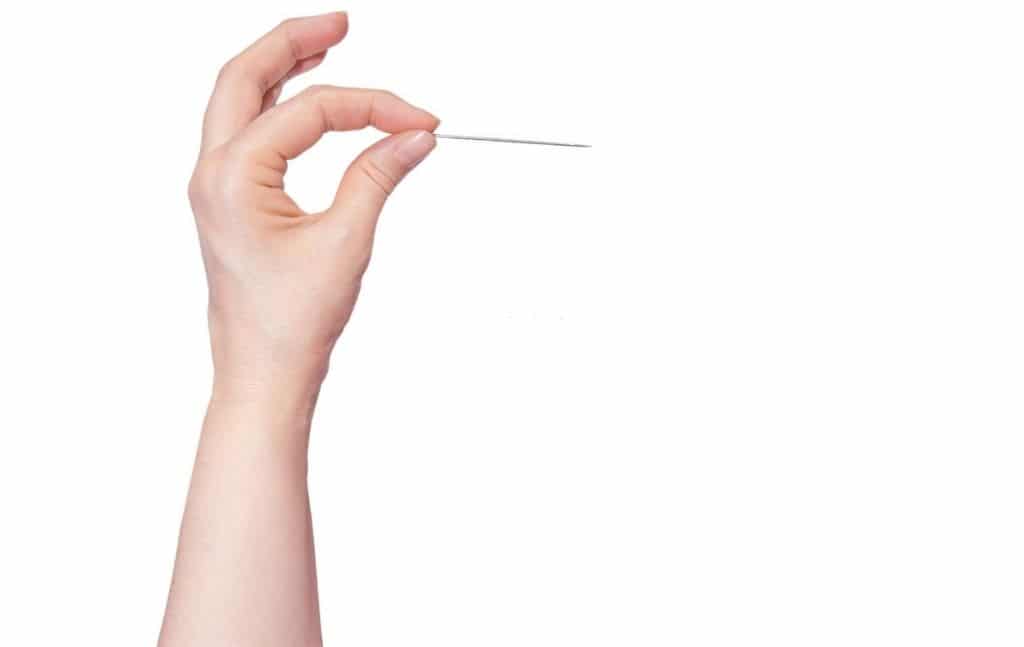
In a true gear-repair emergency, flattened wire can guide thread through coarse fabric. A real needle is safer and more effective. Never use improvised wire to close a wound.
Small tool substitutes
Probe, Turn, Clear, and Hold
Clear a nozzle
Straighten one end and gently clear dried material from a compatible glue or pump nozzle. Depressurize containers first; never probe an aerosol can valve.
Micro screwdriver
An undamaged flat end may turn a loose, low-torque slotted screw such as an eyeglass screw. Stop if it slips; the wire can scratch or snap.
Reset-button tool
A straight clip can press a recessed reset or SIM-eject opening only when the manufacturer identifies that hole for the purpose. Disconnect power when appropriate.
Phone stand
Bend a large coated clip into a shallow cradle for a lightweight phone. Test the angle over a soft surface before trusting it.
Keyboard debris tool
With the device off, wrap the clip tip in microfiber to lift debris from wide gaps. Bare metal can damage switches, contacts, and keycaps.
Authorized lock service
Improvised wire may assist a trained locksmith, but bypassing a lock can be illegal and can damage it. For your own lockout, contact the property owner or a licensed professional.
Field improvisations
Navigate and Gather
Emergency compass needle
Magnetize a straight steel clip by stroking it repeatedly in one direction with a magnet. Balance it on a small floating leaf or foam piece in still water, away from metal and electronics. Compare it with a known direction: an improvised compass can reverse polarity and should not be your only navigation method.
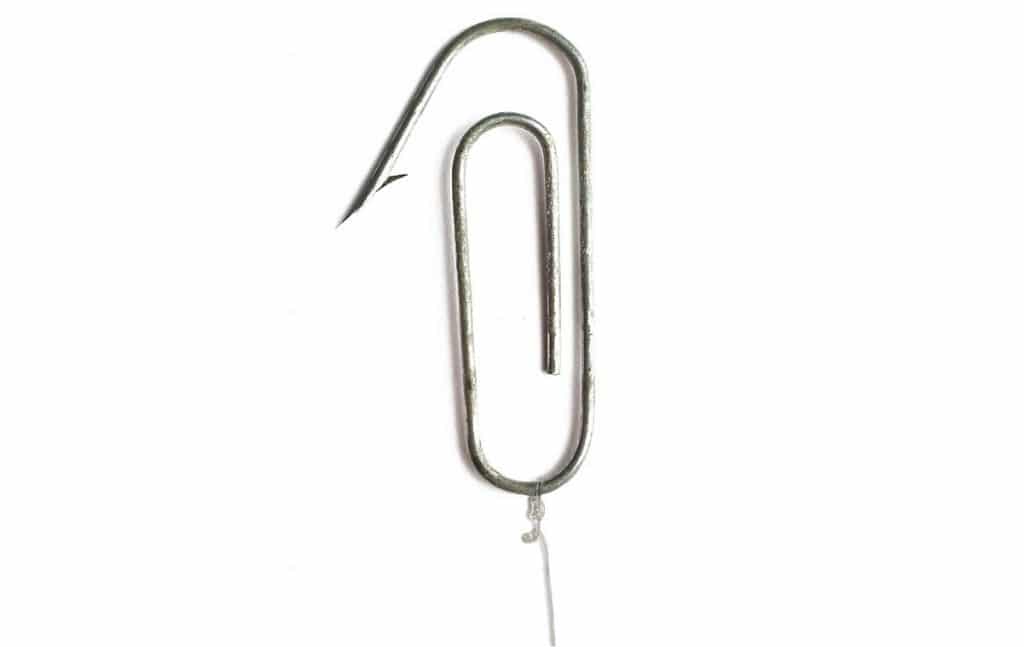
A clip can form a crude hook for lawful survival fishing. It lacks the strength, temper, and barb of a real hook, so inspect it frequently and follow local fishing rules.
Lure or spinner arm
Bright wire can hold a small reflective tab or support a simple lure. Secure every bend so loose pieces do not remain in the water.
Gear attachment loop
Use a clip to hang a tiny item inside a kit or organize cord ends. Do not use it for climbing, load-bearing, or critical retention.
Box or envelope opener
A flattened, smooth edge can lift tape or start an envelope seam. Cut away from your body and avoid forcing thin wire through heavy packaging.
Care & first aid
Know When Not to Improvise
Skip the metal nail cleaner and toothpick
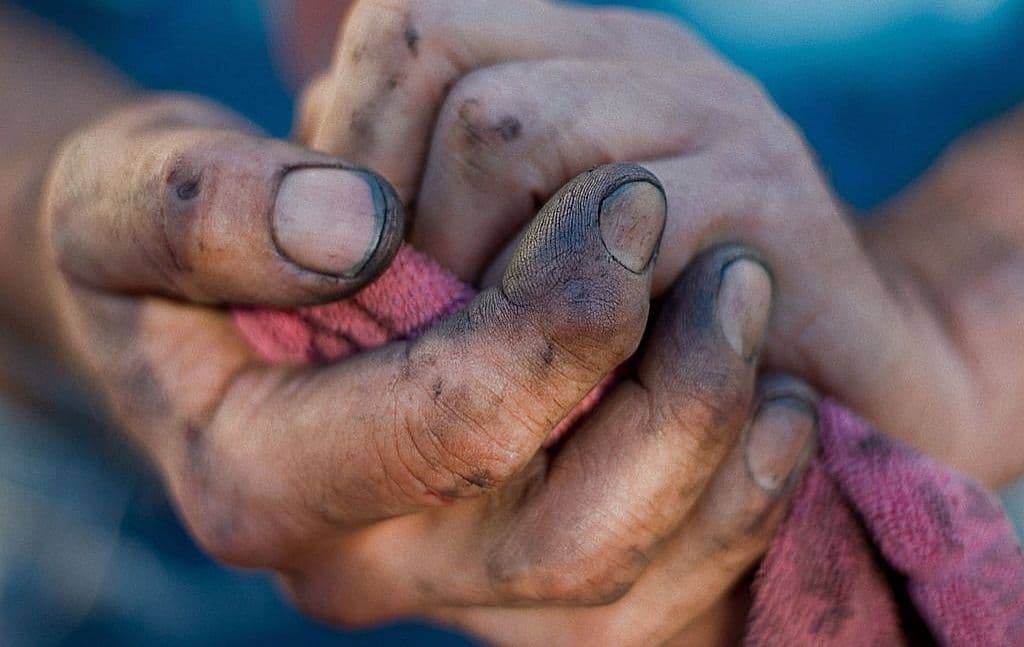
A paper clip can puncture the nail bed or gums and introduce bacteria. Use soap, clean running water, a soft brush, dental floss, or a purpose-made wooden pick instead.
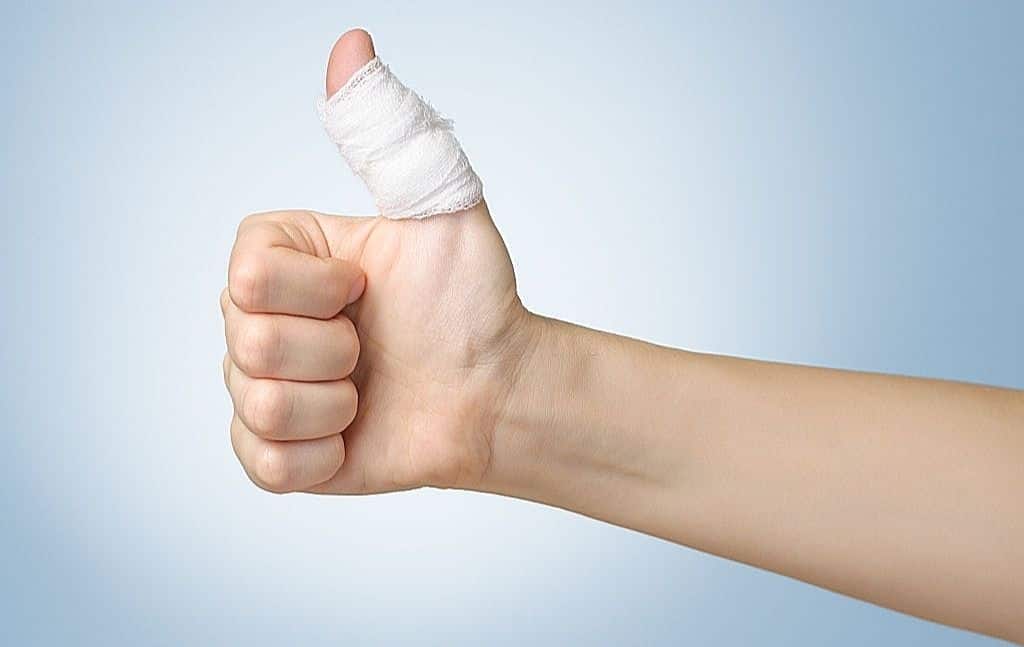
For a suspected finger injury, remove rings, keep the finger in a comfortable position, and seek medical care. If help is delayed, a padded clip may stiffen a temporary splint, but it must not touch skin, force the finger straight, or impair circulation.
Loosen any wrap immediately if the finger becomes numb, cold, pale, blue, increasingly painful, or swollen. A paper clip is never a substitute for diagnosis or proper splinting.
Final checklist
Carry the Clip. Respect the Limit.
Choose large, uncoated steel clips for shaping and coated clips where scratching is a concern. Add compact pliers, real needles, safety pins, fishing hooks, and a small screwdriver to your kit whenever possible. Improvisation buys time; purpose-built tools finish the job.