
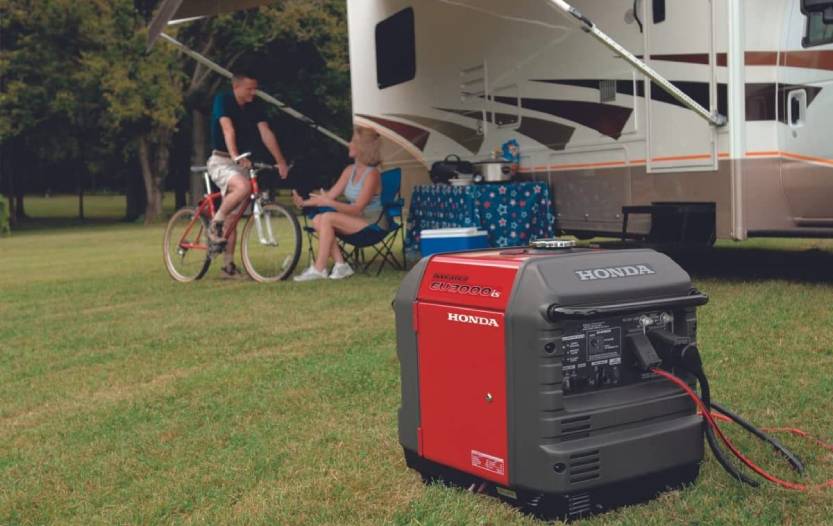
A two-week food supply and backup power solve different outage problems. Food covers calories and hydration; a generator keeps selected electrical loads running. When both purchases land in one pay cycle, the useful question is which expense has a deadline, which can be staged, and which funding source leaves the smallest future burden.
Separate the grocery task from the equipment purchase
Defiel’s 2-week food supply list turns preparedness into a grocery task. The 3000 watt generator guide starts from electrical loads instead. A stockpile can grow through normal shopping trips. A generator is usually one equipment purchase, so the cash-flow pattern is different.
That split matters when you need to pay for food storage while planning backup power. On the grocery side, count food already in rotation and fill the missing categories. On the power side, list the refrigerator, pump, lights, charging gear, or other critical devices you expect to use. Check both running watts and startup surge for appliances with motors or compressors before sizing the generator.
Count what is already in rotation, then fill missing categories.
Machine, safe connections, fuel storage, and maintenance.
Rated watts are only the beginning
The label on a 3000 watt generator does not answer the whole load question. Continuous output and surge capacity can differ, and appliance demand can jump at startup. Adding the nameplate loads gives a safer shopping target than assuming every device can run at the same time.
Generator shopping also needs a fuel plan. Rated wattage tells you what the unit can support electrically; it does not tell you how long it will run on the fuel you can safely store. Check the manufacturer’s runtime data at a stated load, the fuel type, storage rules, and where the unit can operate outdoors away from doors, windows, and vents. Carbon monoxide risk makes indoor or garage operation unsafe, even when a door is open.
Food can be gradual—until the event has a date
Defiel’s food-storage guide for beginners recommends building reserves gradually by buying roughly 25% extra groceries. That method spreads cost across routine trips and lets the household rotate foods it already eats. It also exposes weak spots early: water, shelf-stable protein, cooking needs, or food that depends on refrigeration.
Gradual buying has a timing limit. A forecast event, scheduled utility interruption, or seasonal weather risk can arrive before the two-week target is complete. In that case, fund the items that keep the household fed and hydrated first. Emergency-kit guidance separates water, nonperishable food, lighting, radio access, medicines, and sanitation supplies, which helps prevent a grocery cart from swallowing the whole prep budget.
Emergency, planned prep, or upgrade?
The prepper financial investments guide discusses a high-yield savings account (HYSA), bonds, metals, and other places to hold or diversify money. The relevant piece here is liquidity. A HYSA can keep an emergency reserve accessible while earning interest, subject to the bank’s transfer rules and account terms.
That page belongs beside this decision without repeating its eight investment categories. Bonds and physical metals can have price, timing, or sale friction that a checking balance does not. The immediate food-and-generator problem should be classified first: emergency, planned prep, or upgrade. Funding follows that classification.
A generator cost against savings check should use the generator’s full purchase setup, not the machine price alone. Fuel containers, extension equipment rated for the load, and manufacturer-required maintenance can change the cash needed for a usable backup-power setup. Keep those items separate from the food reserve so one purchase does not hide the other.
Three funding routes
Compare the future burden, not just today’s balance
Settle it now
No interest or scheduled repayment, but the checking buffer falls immediately.
Check: cash left after both purchasesUse the reserve
Accessible funds cover the need, while the withdrawn amount stops earning future interest.
Check: transfer timing and reserve floorPreserve cash today
Liquidity remains available, but the budget takes on interest, fees, and fixed payments.
Check: APR and total dollars repaidUse debt for a fixed amount, never an open-ended stockpile
A prepper emergency fund vs loan comparison is mostly about timing and future cost. Cash settles the purchase now and reduces the checking buffer. Moving money from a HYSA uses the reserve and gives up future interest on the withdrawn amount. A short personal loan preserves cash today and creates scheduled repayment later.
Check the APR, any origination charge, the repayment period, installment size, and the dollars repaid overall before signing. There is a resilience trade-off on both sides. Emptying every liquid account for equipment can leave no cushion for a car repair or insurance deductible. Keeping a large reserve untouched while taking expensive credit can also weaken the household budget.
Protect a minimum liquid cushion, price the whole project, and borrow only when the deadline is real and the repayment fits without optimistic assumptions.
Decision checks
Does a loan beat gold?
There is no universal comparison. Gold is an asset with market-price and liquidity risk, while a personal loan is a debt contract with required payments. Compare the urgent purchase with the least costly suitable funding source you can actually access.
Should I drain the HYSA first?
Use the account according to the job you assigned it. If it is the emergency fund and the purchase meets your own emergency threshold, a partial withdrawal may fit the plan. Keep enough liquid cash for housing, insurance, transportation, and medical needs that still exist after the prep purchase.
When is borrowing the wrong prep?
Avoid it when the item can wait, the payment would strain monthly cash flow, the lender does not disclose the full cost, or the purchase is mainly an upgrade. Building food reserves through normal groceries and saving toward a generator takes longer, yet it can leave the household with less fixed debt.