
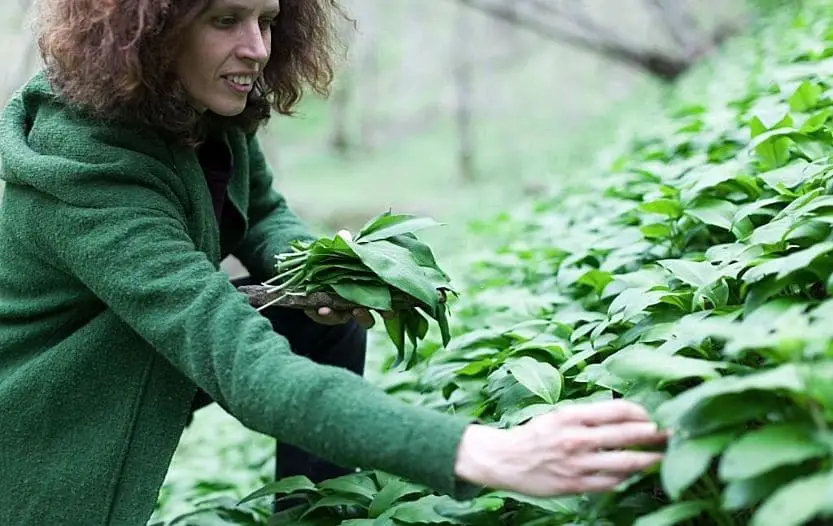
Field notes / responsible foraging
11 Edible Wild Plants
A safety-first introduction to familiar plants, the parts people use, and the cautions a photograph cannot teach.
The 100% rule
If the identification is uncertain, do not eat it.
A photo, app, common name, taste test, or single feature is not enough. Learn with a qualified local forager or botanist and confirm several traits across the plant’s full life cycle.
Wild foods connect people to season and place, but edible does not mean risk-free. Species, plant part, maturity, preparation, dose, pollution, pesticides, allergies, medications, and local harvesting laws all matter.
- Confirm the scientific species with multiple traits and an experienced local teacher.
- Know toxic lookalikes and identify the plant where it grows—not from a loose fragment.
- Avoid roadsides, sprayed lawns, industrial sites, polluted water, and areas where collection is prohibited.
- Try only a small portion of a correctly identified food and introduce one new plant at a time.
- Pregnancy, kidney or thyroid conditions, allergies, and medications can change what is safe; ask a clinician.
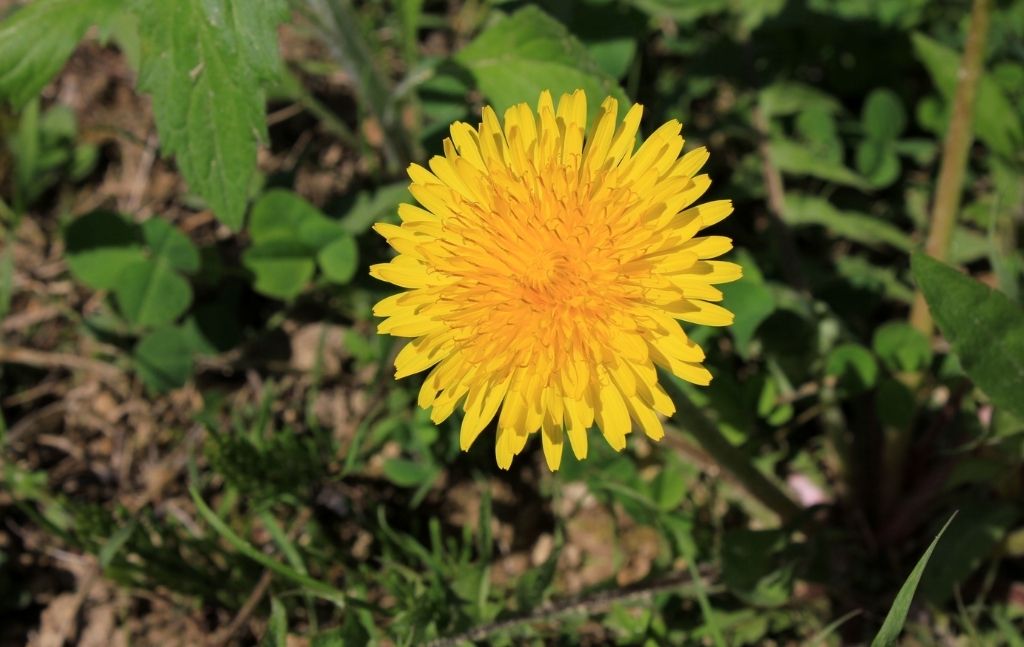
Dandelion
Taraxacum spp.True dandelions form a basal rosette of toothed leaves and send up hollow, leafless flower stalks with one yellow flower head. Leaves, flowers, and cleaned roots have culinary uses.
- Use
- Young leaves raw or cooked; flowers in fritters or infusions; roots roasted or cooked.
- Caution
- Do not harvest chemically treated lawns or mistake other yellow composites for dandelion.
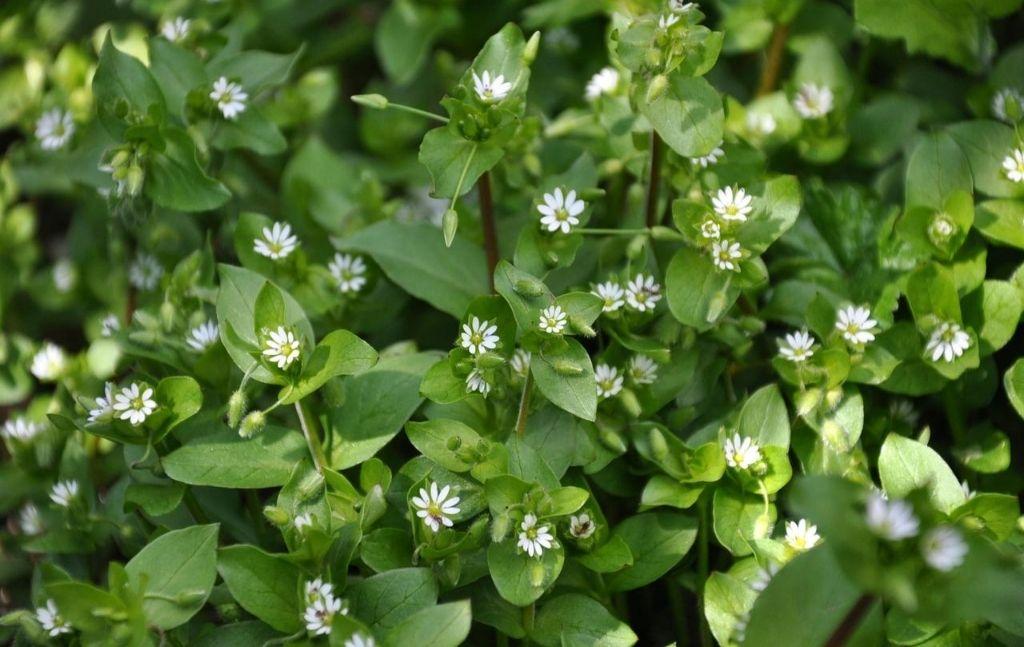
Common Chickweed
Stellaria mediaCommon chickweed is a low, sprawling plant with opposite leaves, a single line of hairs along the stem, and tiny white flowers whose five deeply split petals appear to be ten.
- Use
- Tender above-ground growth is commonly eaten fresh or lightly cooked.
- Caution
- Confirm the stem hair line and flower structure; several small ground-cover plants look similar.
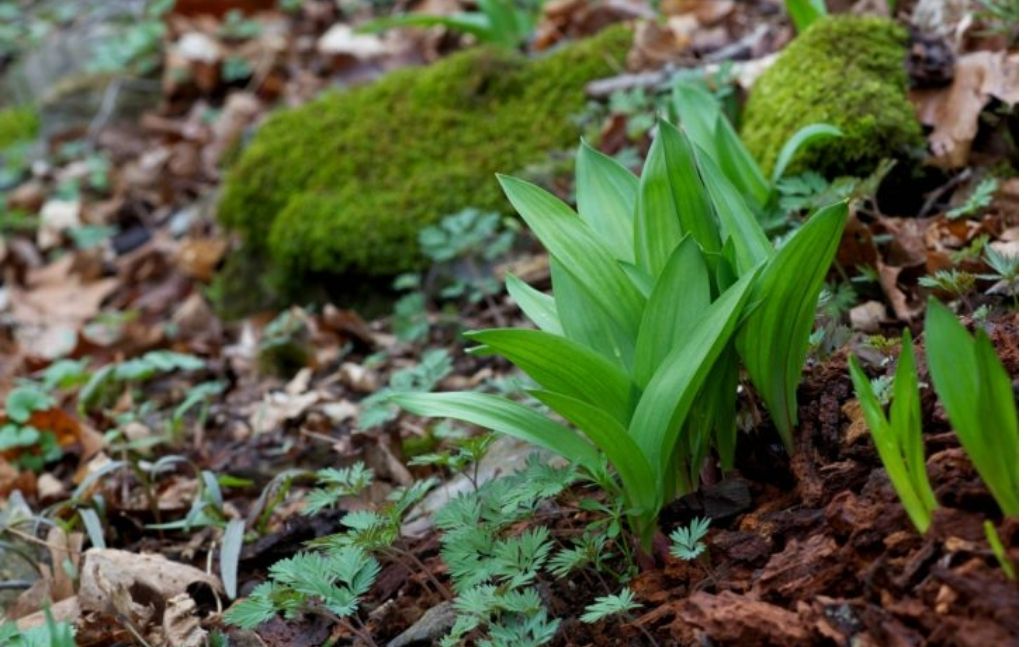
Ramps
Allium tricoccumRamps grow in colonies in rich eastern North American woods. Each plant usually bears broad leaves and a strong onion-garlic odor when crushed.
- Use
- Leaves and bulbs are eaten cooked or raw in small culinary amounts.
- Caution
- Never eat an onion-like plant without the odor; toxic lookalikes include lily-of-the-valley and false hellebore.
- Harvest
- Ramps recover slowly. Where legal, take a small number of leaves rather than uprooting bulbs.
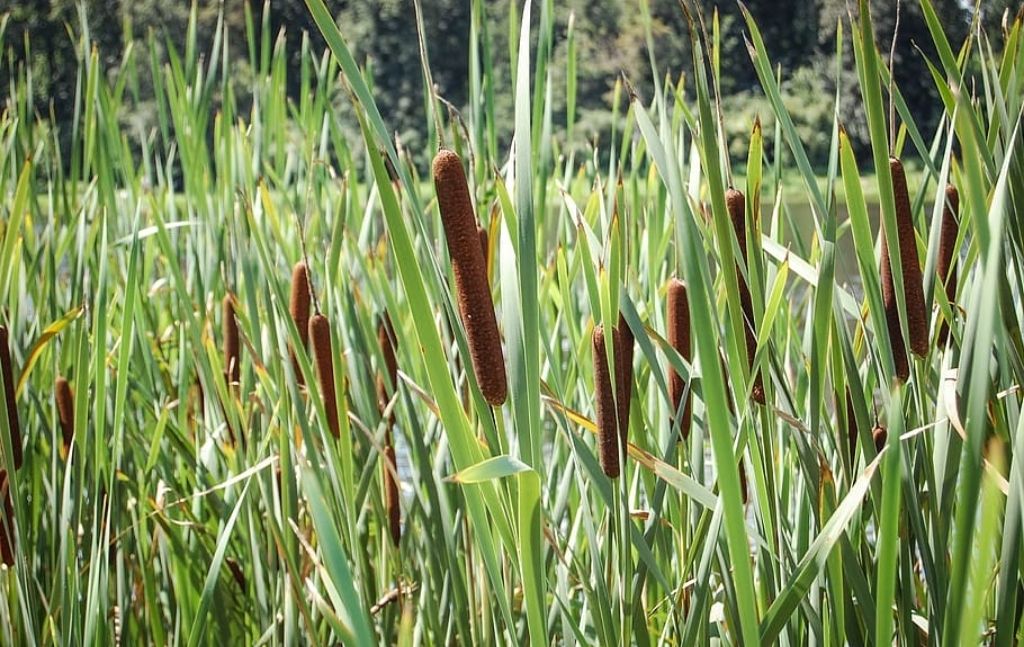
Cattail
Typha spp.Mature cattails are recognized by flat strap-like leaves and a dense brown flower spike. Different parts have traditional food uses at different seasons.
- Use
- Young inner shoots, pollen, and properly prepared rhizomes are among the commonly used parts.
- Caution
- Young plants can resemble toxic iris before the flower spike appears. Wetlands can concentrate sewage, pesticides, and metals.
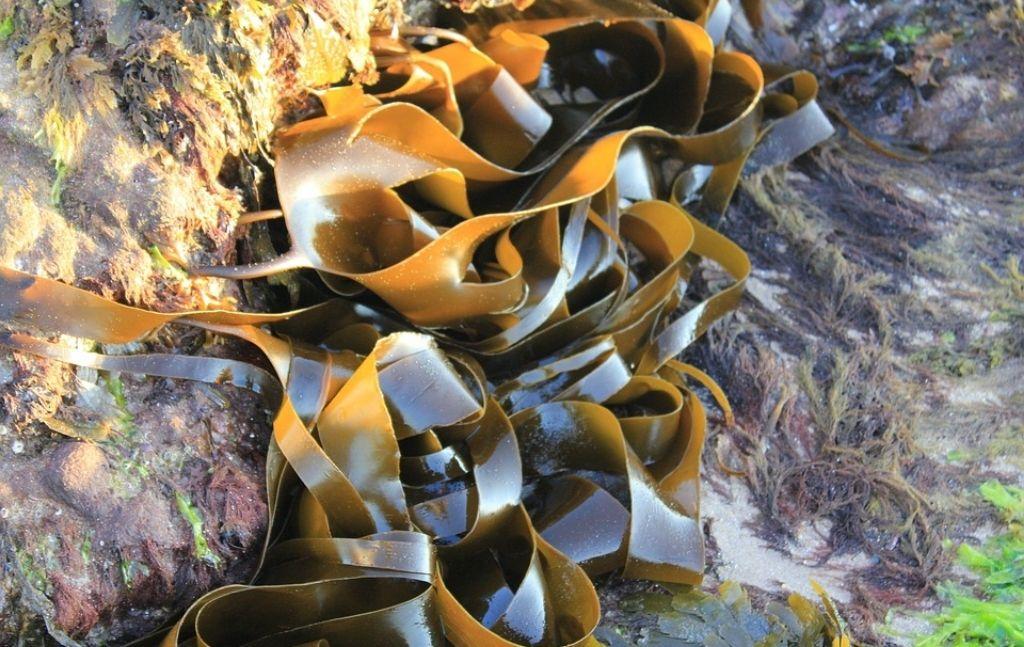
Kelp
Laminariales“Kelp” covers many large brown algae rather than one species. Commercially identified kelps are used in broths, salads, and seasonings.
- Use
- Rinse and prepare a positively identified species according to established regional guidance.
- Caution
- Harvest only from clean, open water where legal. Iodine levels vary enormously; frequent large servings can affect thyroid function.
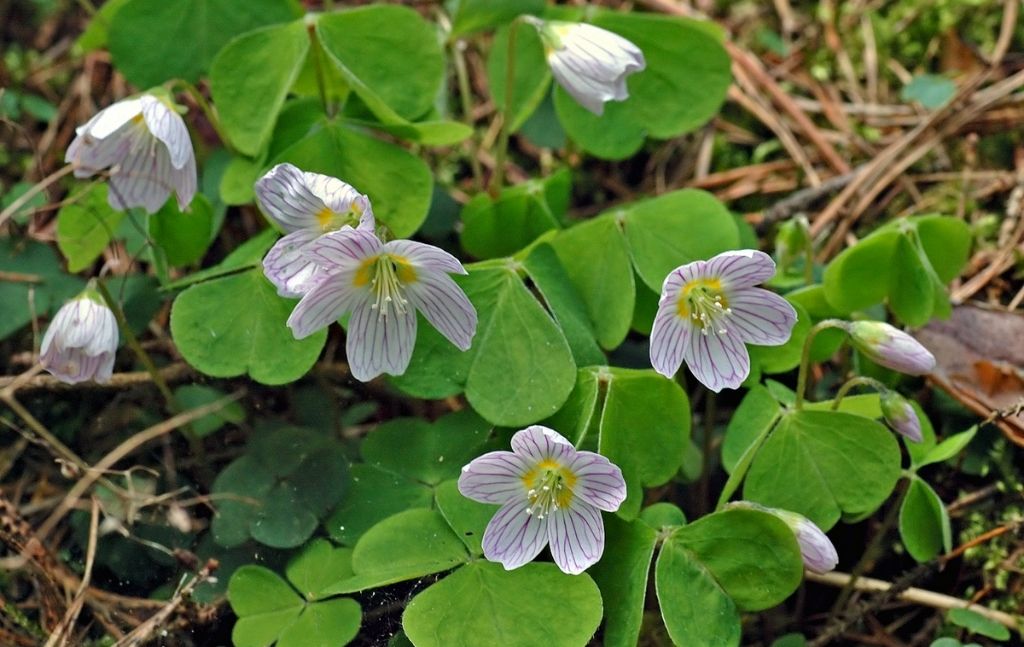
Wood Sorrel
Oxalis spp.Wood sorrels typically have three heart-shaped leaflets and five-petaled flowers. The leaves have a sharp lemon-like taste caused by oxalic acid.
- Use
- A few correctly identified leaves can serve as a tart garnish.
- Caution
- Use sparingly. People with kidney disease, kidney stones, gout, or medical dietary restrictions should avoid high-oxalate foods unless advised otherwise.
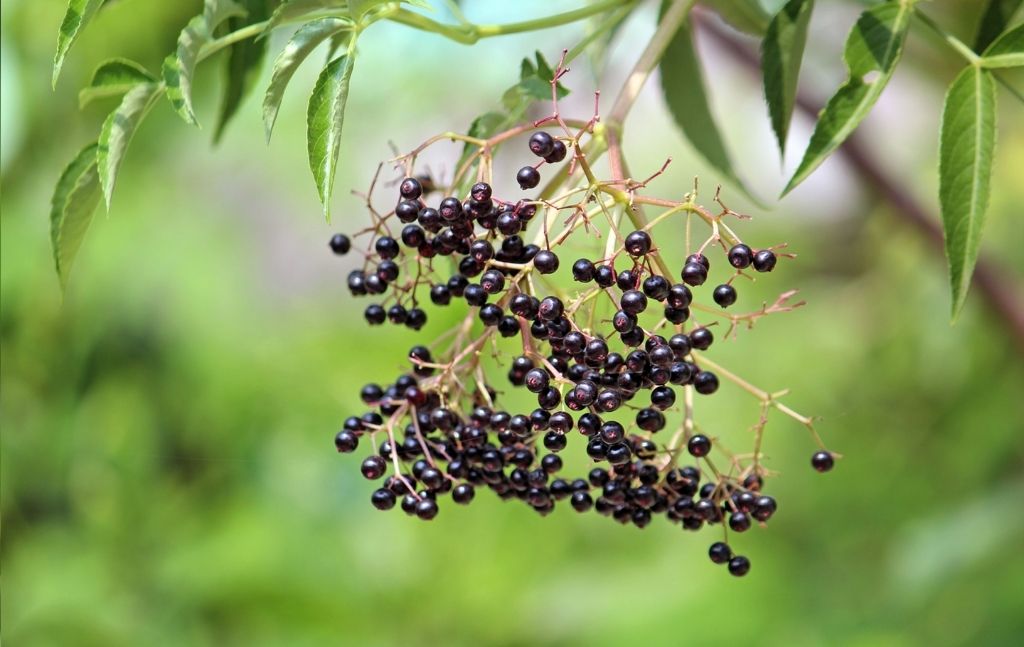
Elderberry
Sambucus spp.Edible elder species bear compound leaves and broad flower clusters followed by dark fruit, but related species and lookalikes differ in safety.
- Use
- Correctly identified, fully ripe berries are used in cooked preserves and baked foods.
- Caution
- Do not eat raw berries. Remove stems, leaves, and unripe fruit; these parts contain compounds that can release cyanide. Use a tested cooking or preservation method.
Peppergrass
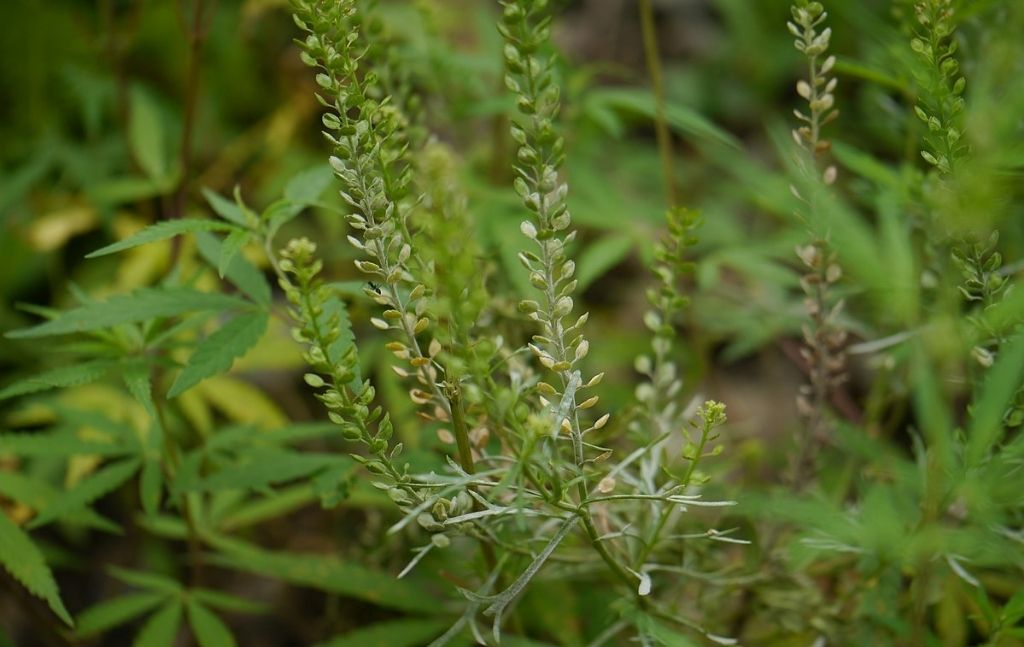
Lepidium spp.Peppergrasses belong to the mustard family and often carry many small, flat seedpods along upright racemes. Leaves and seeds can taste peppery.
- Use
- Young leaves and mature seeds are used as a pungent green or seasoning.
- Caution
- The genus contains many species. Avoid contaminated roadside and agricultural ground, and confirm the mustard-family traits.
Sunflower
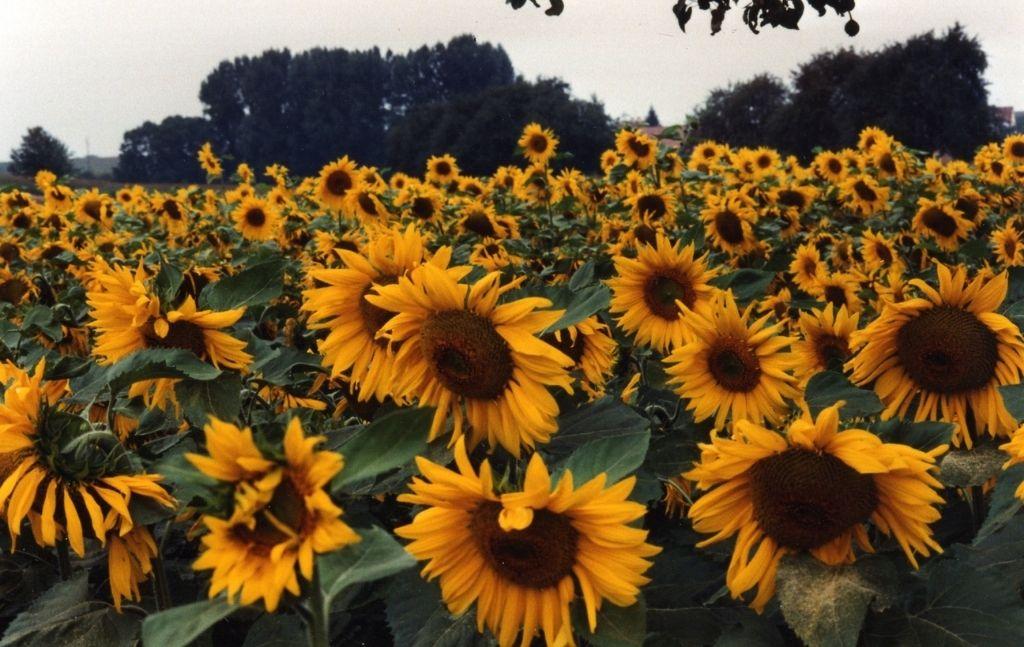
Helianthus spp.Wild and cultivated sunflowers vary widely. Mature flower heads produce edible seeds, while some species also have a history of other culinary uses.
- Use
- Fully mature seeds can be dried or roasted after correct identification.
- Caution
- “The whole plant is edible” is too broad: texture, digestibility, treatment, and species differ. Do not harvest ornamental plants treated with pesticides.
Tea Plant
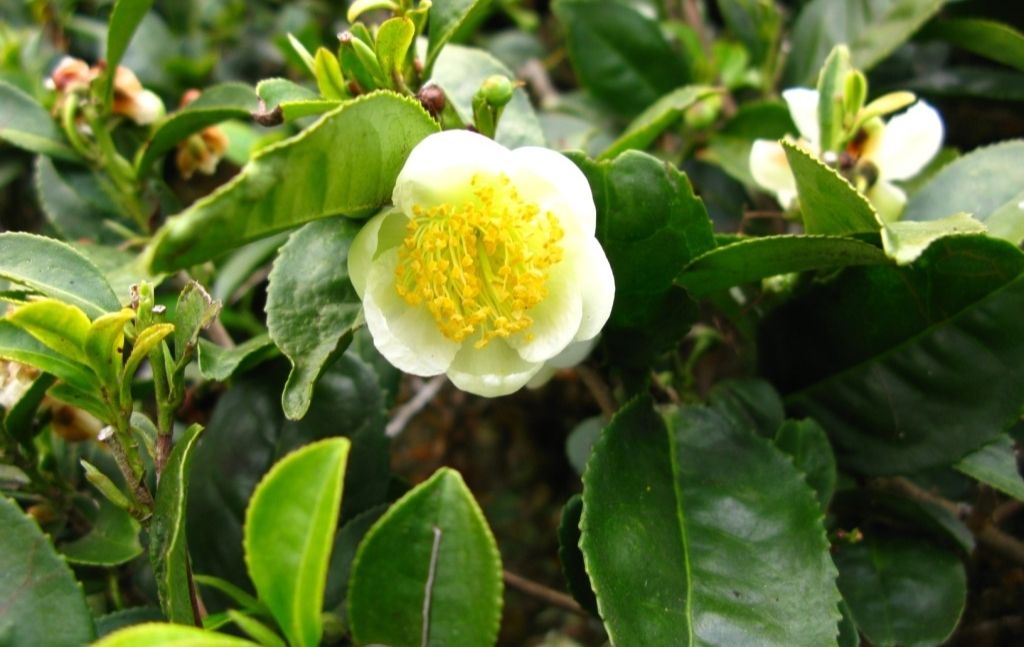
Camellia sinensisTrue tea comes from one evergreen species with glossy, finely toothed leaves and white flowers with prominent yellow stamens. Processing creates green, black, white, and oolong tea.
- Use
- Young leaves and buds are processed and brewed rather than eaten in quantity.
- Caution
- Other Camellia ornamentals are not interchangeable. Tea contains caffeine, and home processing affects flavor and safety.
Sweet Gale
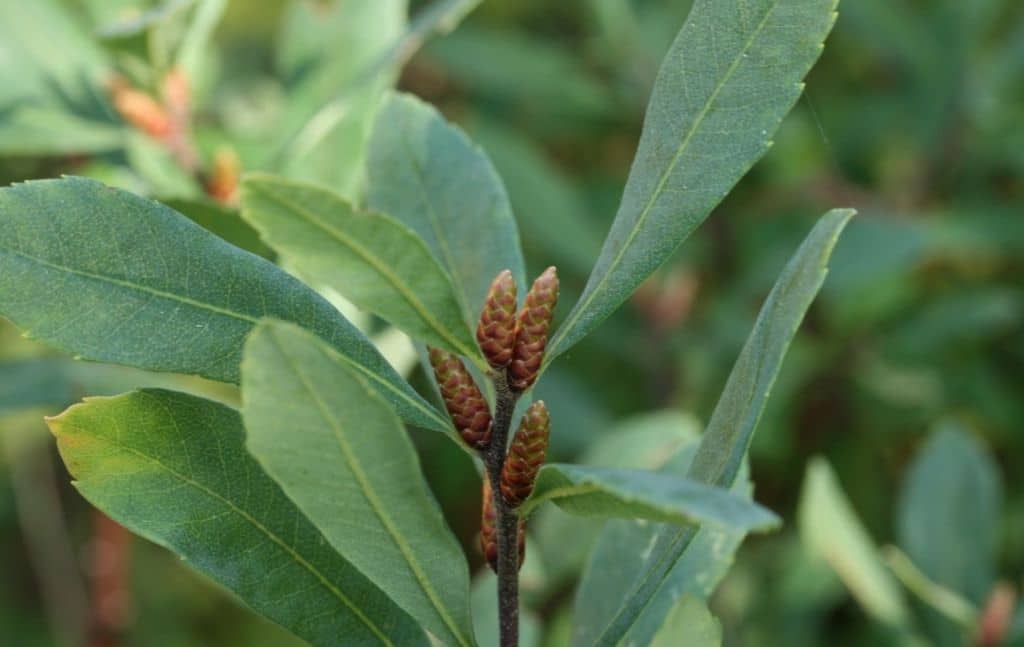
Myrica galeSweet gale is an aromatic shrub of bogs and wet shores with narrow leaves and resinous catkins. It has a history as a flavoring rather than a staple food.
- Use
- Small amounts of leaf or fruit have traditionally flavored beverages and foods.
- Caution
- Do not treat it as a raw snack or medicine. Avoid during pregnancy and check regional guidance and protected-wetland rules.
Build knowledge safely
A Field Guide Is the Beginning, Not the Identification
Choose one abundant local species, study it through every season, learn its lookalikes, and confirm it in person with an expert before considering a harvest. Photographs on this page show examples, not every variation.