
Gear review · tactical pack · field use
SOG OPORD Backpack Review
A practical look at the materials, comfort, organization, and compromises of this budget tactical daypack.
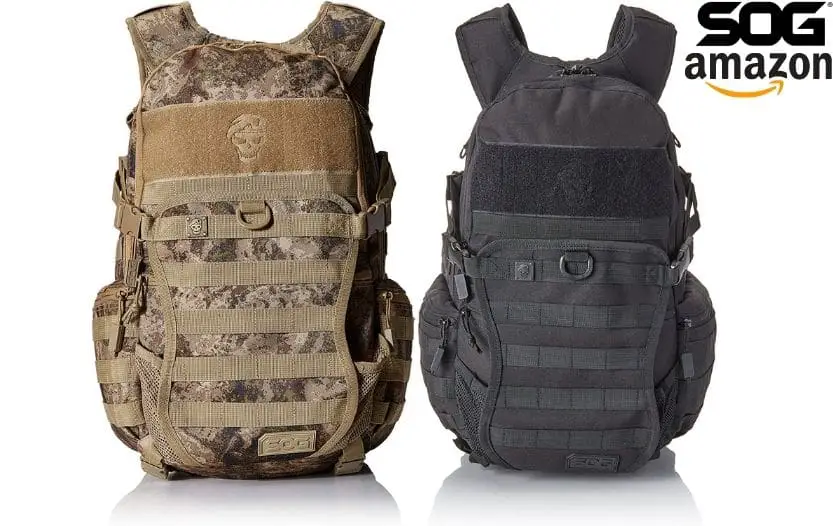
Bottom line
Useful organization at a budget price—with average ventilation and only basic weather resistance.
- Best for
- EDC and vehicle kits
- Material
- 500D polyester
- Weight
- About 3.4 lb
The SOG OPORD is built for people who want a compartment-heavy tactical pack for everyday carry, a vehicle kit, or a short emergency loadout without moving into premium-pack pricing.
This review reflects the version tested in 2020. Backpack specifications, warranty coverage, sellers, and availability can change, so verify the exact model and seller before buying—especially when shopping used or through a marketplace.
At a glance
SOG OPORD Features
Other useful details include multiple compression straps, several compartments, front hook-and-loop space for patches, and gray or sand-style color options depending on the listing.
Treat the fabric as water- and dirt-resistant—not waterproof, airtight, or submersible. Use internal dry bags for electronics, documents, and critical supplies.
Construction
Materials
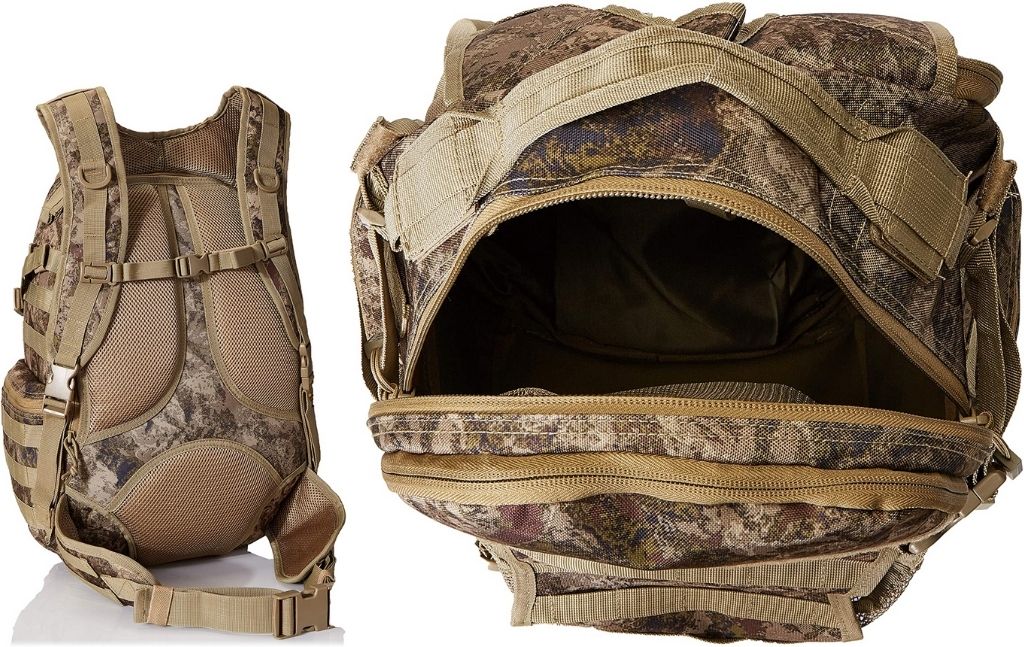
The pack uses 500-denier polyester, selected to balance abrasion resistance, support, weight, and price. The tested bag survived vigorous everyday use without developing holes, though it still benefits from normal care around sharp edges and overloaded attachment points.
The material felt appropriate for the price. It is substantial enough for routine carry, but buyers expecting expedition-grade fabric or full weather sealing should look higher in the market.
On the body
Comfort
Padded shoulder straps, adjustable fasteners, and a hip belt help distribute weight and stabilize the pack. These features matter when an everyday carry load grows heavier or stays on your back for several hours.
The main drawback is back ventilation. During outdoor use, the rear panel could feel warm, particularly in hot weather or during sustained activity. Fit also depends on torso length and loading, so a test fit is valuable.
Field impressions
Durability
The tested pack handled everyday loads, hiking, fishing, and an accidental night in the snow without water reaching the contents. Its exterior was damp afterward, which reinforces the distinction between resistance and waterproofing.
The bag felt capable of carrying a useful load, but durability depends on how it is packed. Compression straps should stabilize the contents; MOLLE attachments should not be overloaded; and dense gear should sit close to the back.
SOG’s current warranty information says coverage varies by product and source. Some licensed packs were made by The Outdoor Recreation Group and may be handled by that manufacturer. Confirm coverage for the exact pack rather than assuming every listing has identical lifetime protection.
Access and layout
Organization
The OPORD offers a main compartment with internal organization, additional zippered pockets, side storage, hydration compatibility, and MOLLE webbing for external pouches or tools.
Separate the essentials
The internal pockets can divide a laptop, compact first-aid kit, documents, cables, and other small items that would otherwise settle at the bottom.
Keep quick-use gear reachable
Side compartments and webbing make frequently used items easier to reach, though exposed attachments can snag and advertise the contents.

Three roles
Bug-Out, EDC, and Outdoor Performance
Bug-out bag
The organization and external attachment points suit a compact emergency kit. Whether it holds 72 hours of supplies depends on climate, water strategy, clothing, medical needs, and the individual—not the backpack alone.
Everyday carry
At roughly three-and-a-half pounds empty, it is not ultralight, but compression and multiple pockets can make it manageable for organized daily carry.
Outdoor use
It performed adequately for hiking and fishing. Its limitations are back ventilation, added empty weight, and modest weather resistance compared with purpose-built hiking packs.
Tradeoffs
Pros and Cons
Pros
- Budget-friendly tactical layout
- Padded straps and hip belt
- Multiple pockets and easy access
- MOLLE attachment webbing
- Hydration tube ports
- Compression straps
- Patch panel and color options
- Useful size for EDC or vehicle kits
Cons
- Not fully waterproof or dirtproof
- Rounded base can make it fall over
- Back ventilation is limited
- Heavy compared with ultralight packs
- Tactical appearance may attract attention
- Availability and warranty vary by version
Final verdict
A Capable Budget Organizer
The SOG OPORD worked well as an affordable bug-out and everyday carry pack. The organization, support straps, and MOLLE webbing are its strongest features. Its ventilation, weight, base shape, and weather protection are the clearest compromises.
It remains a reasonable option when found in good condition at the right price, but compare the exact listing with current alternatives and inspect the return and warranty terms before purchasing.
Continue comparing gearExplore Gear →