Pocket kit / Item 05
15 survival uses
for dental floss
Useful thread in a tiny dispenser—provided you understand what it can, and cannot, safely hold.
Why carry it
Small enough to forget.
Useful enough not to.
Dental floss is compact, inexpensive, easy to cut, and surprisingly strong for its diameter. That makes it useful for hygiene, small repairs, organization, and delicate cutting.
But thin is not the same as load-rated. Floss can abrade skin, snap without warning, degrade in heat, and vary widely between brands. Treat it as a temporary light-duty material—not cordage, climbing line, or medical suture.
Read the labels
The load truth
Ratings describe the material’s role—not a measured breaking strength. If failure could injure someone, use the proper equipment.
The field list
Useful jobs, honestly rated
Start with the intended use, then spend the rest of the spool on light work where failure is only inconvenient.
Dental hygiene
Its intended job still matters most. Floss removes debris a toothbrush cannot reach and takes almost no room in a hygiene kit.
Clean narrow gaps
A taut strand can lift dust from keyboard gaps, seams, tile edges, and other narrow spaces.
Repair a torn bag
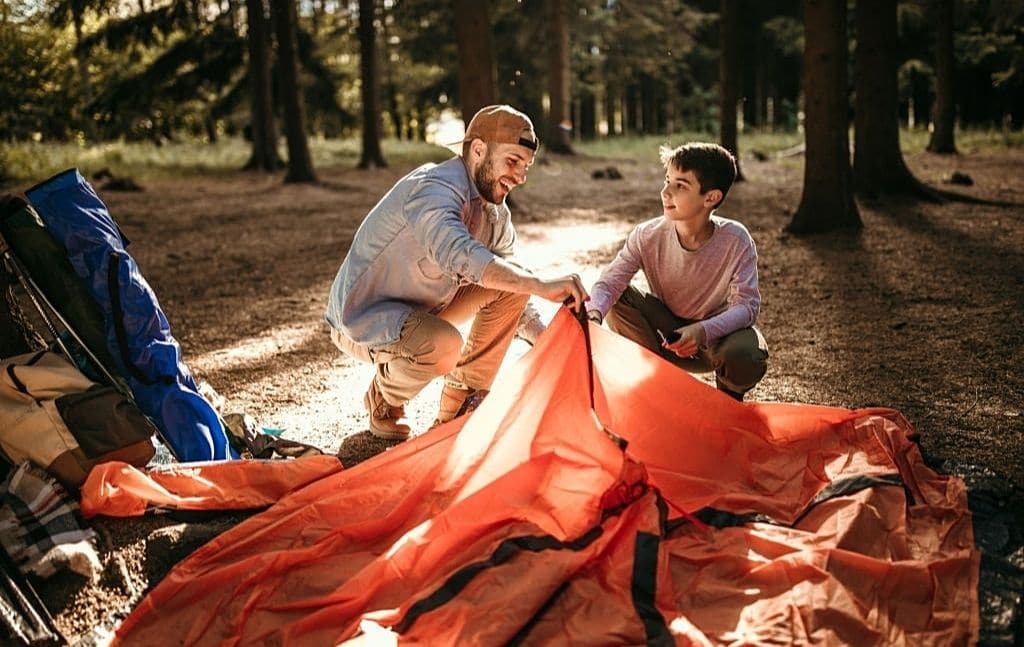
Waxed floss can act as strong emergency thread for a pack seam, tent fabric, or small fabric tear.
Reattach a button
A short piece works as conspicuous but durable sewing thread when ordinary thread is unavailable.
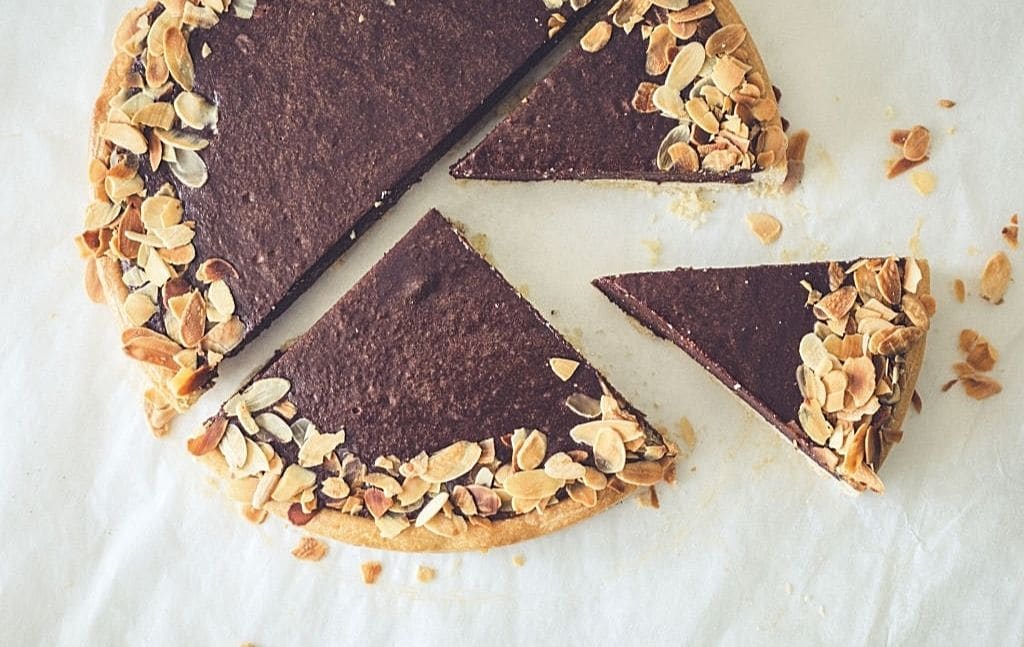
Slice soft food
Unflavored, unwaxed floss can make clean cuts through cake, soft cheese, dough, or a sticky roll.
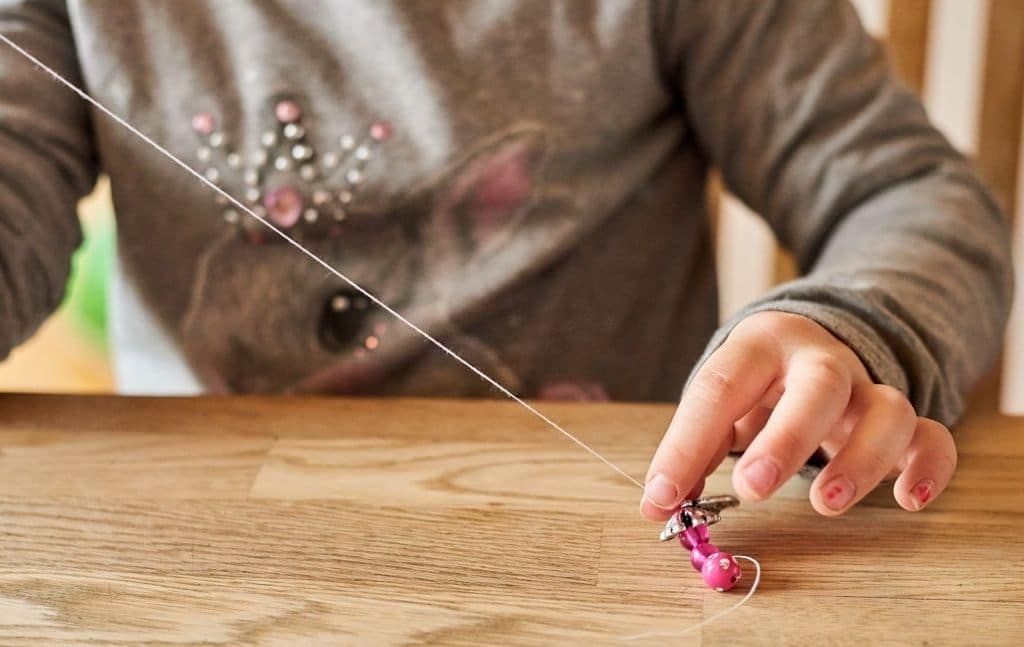
Make or mend crafts
Use it to string beads, hang a light ornament, repair a bracelet, or lash small craft pieces.
Guide a dripping tap
A strand tied near a slow drip can guide water quietly down into the basin until the fixture is repaired.
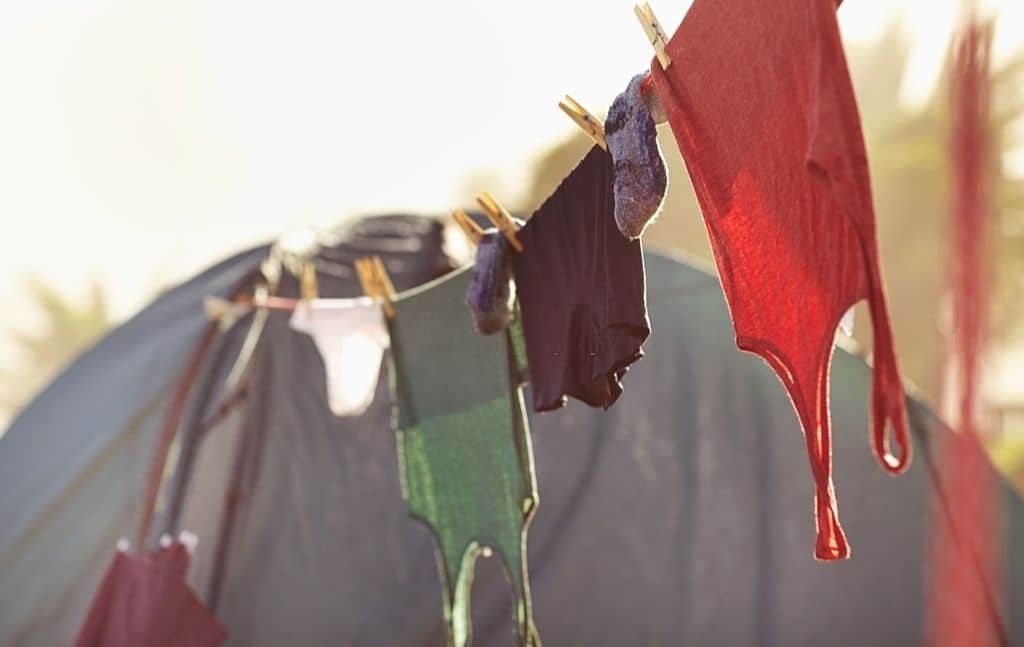
Dry lightweight items
Several parallel strands can support socks, bandanas, or other light camp items.
Bundle loose gear
Floss can organize tent stakes, utensils, cables, or kindling inside a pack.
Tie back hair or fabric
A loose loop can keep long hair or a floppy cuff away from a task for a short time.
Free a stuck flat object
Work floss beneath a label, photograph, gasket, or sticky food to separate it with less prying.
Replace a broken shoelace
Multiple doubled strands can close part of a shoe long enough to reach a safer place.
Improvise light fishing line
In a genuine emergency, braided or doubled floss may hold a small hook and bait.
Mark a small item
Bright or reflective floss can make a zipper pull, key, or tiny tool easier to spot in a crowded kit.
Make a noise indicator
A visible strand can suspend empty cans or bells that make noise when moved around camp.
In practice
Five jobs that fit the material
The best uses take advantage of floss being thin and flexible—not pretending it is rope.
Hard limits
Four jobs floss should never own
Do not sew a wound closed
Improvised closure can trap contamination and damage tissue. Control bleeding with direct pressure, cover the wound, and seek appropriate medical care.
Do not bind a person or animal
Thin line can cut skin, impair circulation, and create legal and safety risks. Use proper, humane equipment for pets and call professionals when people are at risk.
Do not trust it with shelter or weight
Do not suspend cookware, food bags, plants, or anything overhead. Do not use floss for climbing, rescue, towing, or primary shelter tension.
Do not make tripwires
Nearly invisible line across a route can injure people and wildlife. If you want a perimeter indicator, keep it visible, low-risk, and away from travel paths.
Build the pocket module
Give every material its proper job
Hygiene, sewing, bundling, and friction-sensitive knots.
Food slicing and uses where mint residue is unwanted.
Turns floss into a more useful temporary gear-repair system.
For tarps, shelter, heavier loads, and tasks where failure matters.