
Survival · wildlife · emergency response
How to Survive Wild Animal Attacks
The best encounter is the one you prevent. Learn the warning signs, create distance, and know what to do when five dangerous animals are nearby.
First principle
Do not turn an encounter into a confrontation.
Most wild animals avoid people. Give them space, do not block their route, never approach young, and follow local ranger guidance. Species, habitat, and circumstances matter; there is no universal response to every animal.
Wildlife attacks are uncommon, but people who spend time outdoors should know how to reduce the risk. Animals may react defensively when surprised, protecting young, guarding food, or trying to reach water or cover.
Before entering unfamiliar habitat, learn which animals are present, check current warnings, carry appropriate communication and first-aid equipment, and tell someone your route. In parks and reserves, instructions from local authorities take priority over general advice.
Africa · rivers and lakes
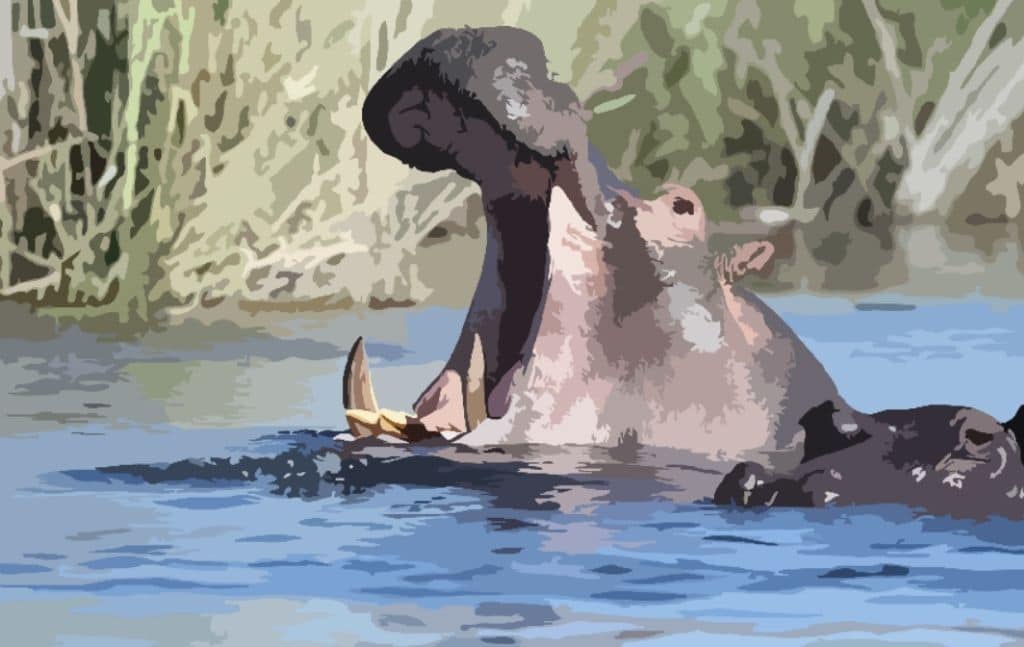
Hippo
Hippos spend much of the day in water and often move on land after dark to feed. They can move quickly and may react aggressively when a person comes between them and the water, crowds them, or approaches a calf.
Avoid the encounter
- Use an experienced local guide and obey closures.
- Keep well away from the water’s edge, especially at night.
- Never approach a calf or place yourself between a hippo and water.
- In a boat, give groups a wide berth and retreat if a hippo displays or approaches.
If threatened
- Move away from the animal’s path without closing the distance.
- Put a substantial barrier—large tree, boulder, wall, or vehicle—between you and the hippo.
- Do not try to outrun it in a straight contest or enter water to escape.
- After any contact, seek emergency medical care immediately.
Trails · rocks · tall vegetation
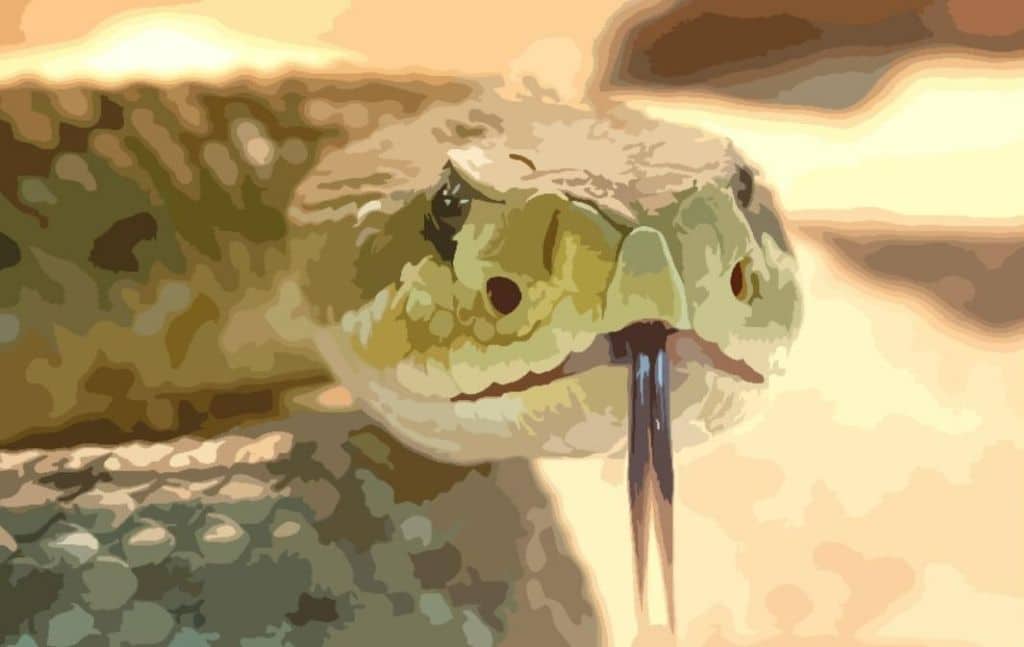
Snake
Most snakes bite when stepped on, handled, cornered, or surprised. Head shape, pupils, size, and color are not reliable universal tests for venom. Treat every unknown snake with space and respect.
Avoid the encounter
- Stay on clear trails and watch where you step or place your hands.
- Step onto logs or rocks before looking and stepping down on the far side.
- Use a light at night and inspect footwear and sleeping gear.
- If you see a snake, stop, locate it, and back away slowly.
If bitten
- Move out of striking range, remain calm, and call emergency services.
- Limit movement and remove rings, watches, or tight clothing before swelling begins.
- Cover the bite with a clean, dry dressing and follow dispatcher instructions.
- Do not cut, suck, ice, electrically shock, or tightly bind the bite. Do not apply a tourniquet or try to catch the snake.
Hives · swarms · enclosed shelter
Bees
A defensive colony can pursue a person far beyond the hive. Vibrations, machinery, or disturbing a nest may trigger an attack.
Avoid the encounter
- Do not approach or disturb a hive or swarm.
- If bees begin bumping or clustering around you, leave immediately.
- Warn others and have the colony handled by trained professionals.
If attacked
- Run to a sealed building or vehicle; keep moving until sheltered.
- Cover your eyes, nose, and mouth as you move, but do not stop to swat.
- Do not jump into water; bees may wait above the surface.
- Once safe, remove stingers promptly. Call emergency services for breathing difficulty, facial swelling, faintness, many stings, or a known severe allergy.
Wetlands · dusk and dawn
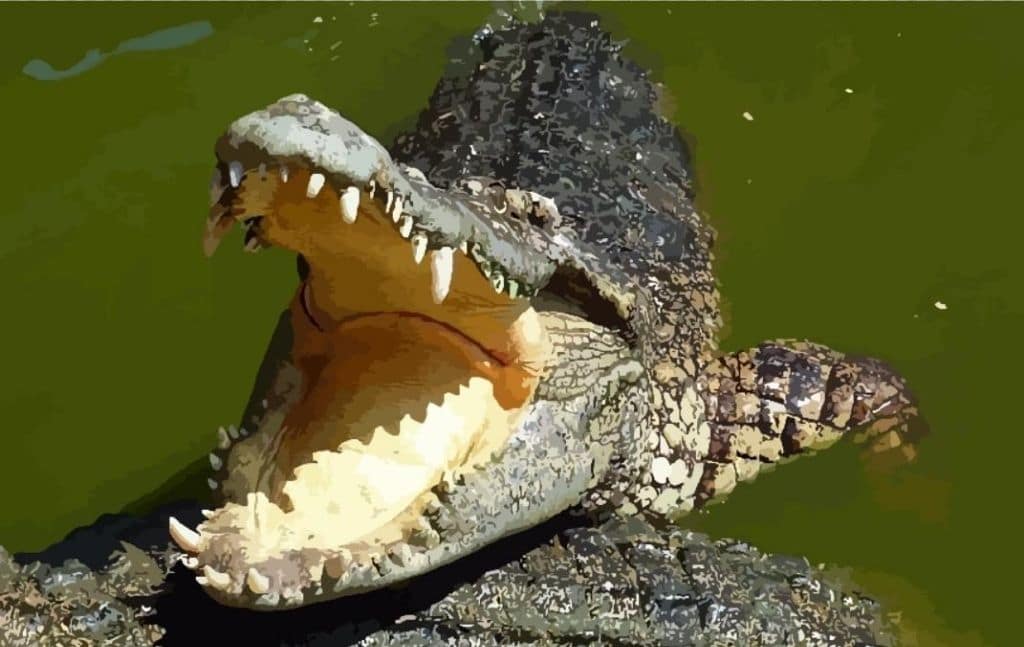
Crocodile or Alligator
Crocodilians are ambush predators. The safest response is to stay out of their strike zone and use only designated swimming areas where local authorities consider the water safe.
Avoid the encounter
- Observe posted warnings and keep a substantial distance.
- Swim only in designated areas, preferably during daylight.
- Keep pets leashed and away from the water’s edge.
- Never feed, approach, or disturb a nest or young.
If attacked
- On land, move directly away and toward secure shelter; do not stop to photograph the animal.
- If grabbed, fight back forcefully and target sensitive areas such as the eyes and snout while trying to get free.
- Once released, move away from the water and call emergency services.
- Seek urgent medical care for any bite because of bleeding, tissue damage, and infection risk.
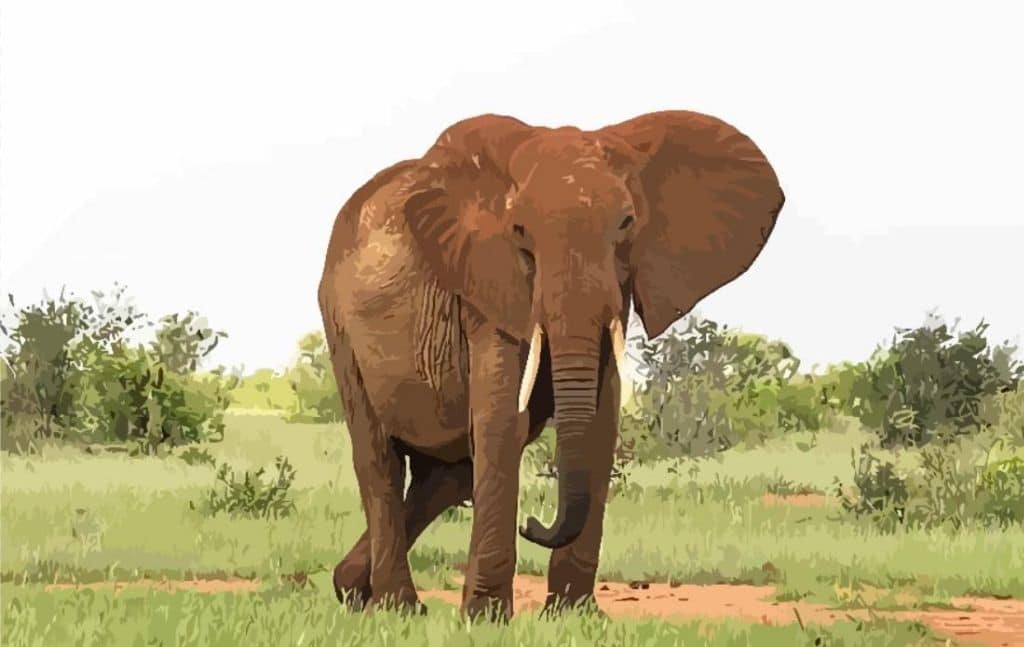
Africa and Asia · follow local guides
Elephant
Elephants are powerful, fast, and protective of their space and young. Behavior can change quickly, and interpreting a display as a “bluff” is not a safe plan for an untrained visitor.
Avoid the encounter
- Stay in the vehicle or with a qualified guide where required.
- Never approach calves, crowd a herd, or block a travel route.
- Give an elephant more room if it turns toward you, spreads its ears, raises its head, or otherwise focuses on you.
- Back away early while keeping obstacles and an escape route available.
If threatened
- Follow your guide’s instructions immediately.
- Retreat without approaching, taunting, or trying to intimidate the animal.
- Use substantial terrain, a building, or a vehicle as a barrier if safely reachable.
- Do not rely on shouting, throwing a decoy, climbing a small tree, or lying down.
After any attack
Get to Safety, Then Get Help
- Leave the danger zone.Do not expose yourself or rescuers to a second attack.
- Call emergency services.Give your location, animal type if known, injuries, and number of people involved.
- Control severe bleeding.Use firm direct pressure unless emergency dispatchers give different instructions.
- Seek medical evaluation.Bites, crushing injuries, venom, allergic reactions, and contaminated wounds can worsen quickly.
- Report the encounter.Notify park staff or wildlife authorities so they can protect other visitors.
Conclusion
Distance Is Your Best Defense
Knowing a few response principles can help, but prevention is far more reliable than fighting an animal. Learn the local wildlife, respect closures, store food correctly, stay alert, and give every wild animal room to leave.
Continue learningExplore survival guides →